
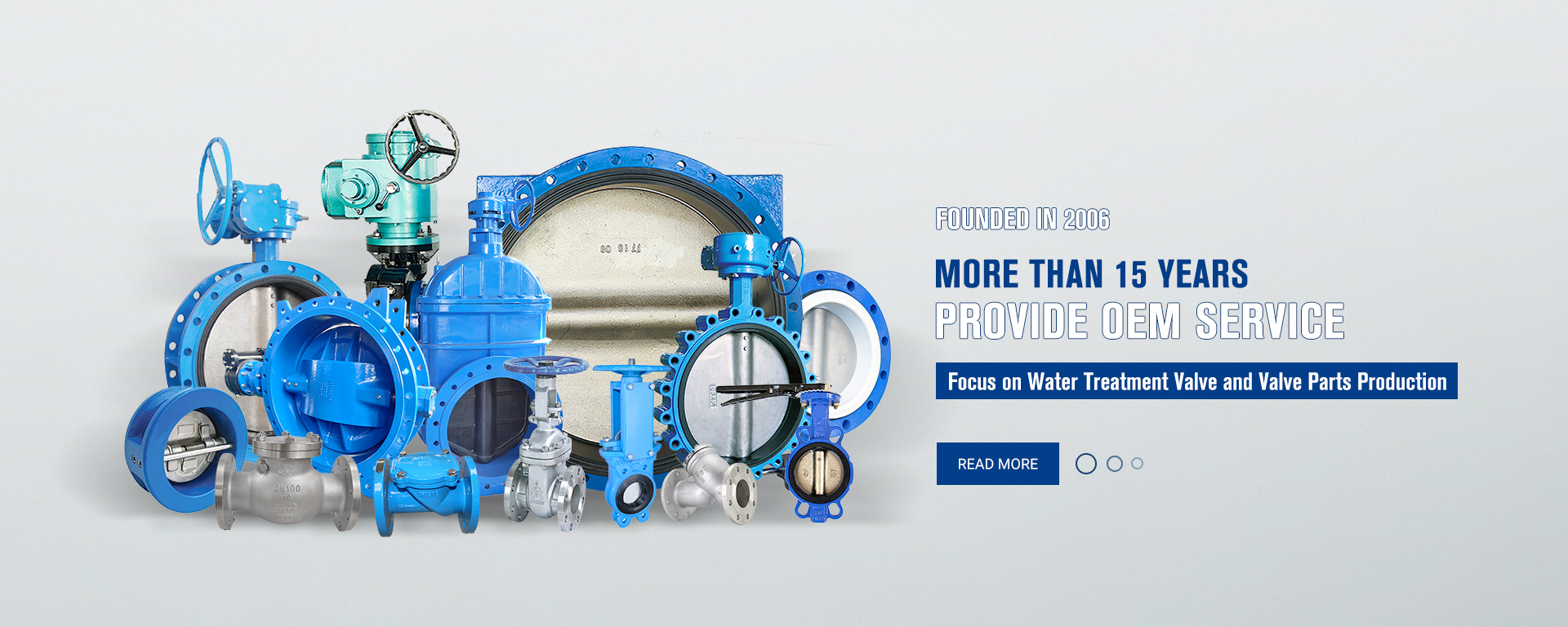
Wafer vs Flanged Butterfly Valve: Insights from China Manufacturers
When navigating the world of valves, understanding the difference between wafer and flanged butterfly valves is crucial. As a manufacturer in China, I’ve seen firsthand how each design serves unique applications. Wafer butterfly valves are compact and lightweight, making them ideal for tight spaces, while flanged versions offer enhanced stability and durability for high-pressure systems. Choosing the right valve can optimize your operations, and I’m here to guide you through this selection process. My experience with these products allows me to help you evaluate the benefits of each type based on your specific needs. Whether you prioritize ease of installation or robustness under pressure, I’ll ensure you find the perfect fit. Partner with me to access high-quality valves tailored to your requirements, backed by reliable manufacturing practices. Your satisfaction is my priority, and I look forward to supporting your business's growth with the right solutions.


wafer vs flanged butterfly valve Supplier Delivers Unmatched Quality
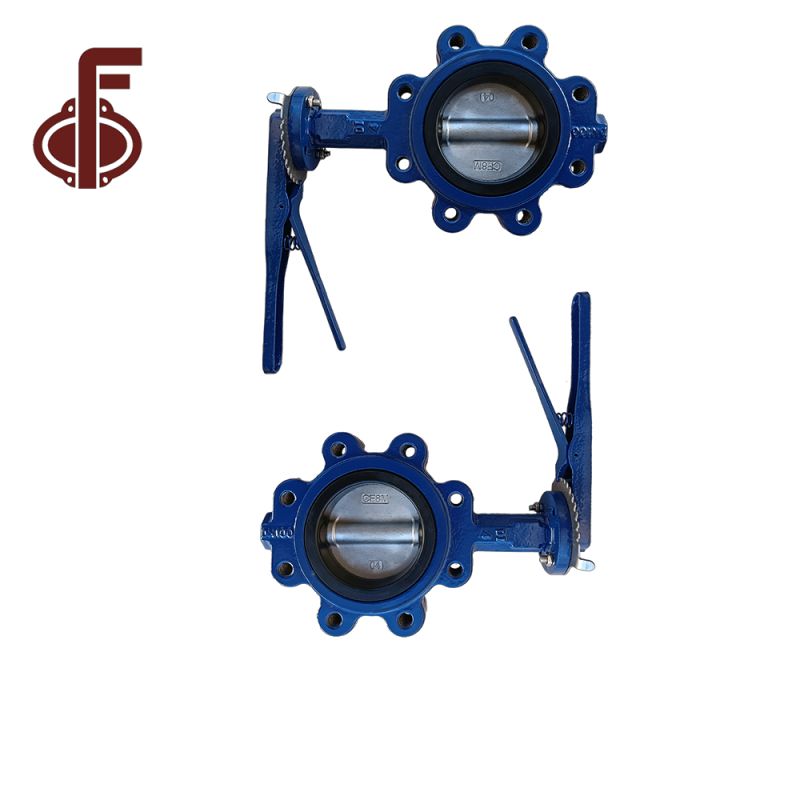
In the world of industrial applications, the choice between wafer and flanged butterfly valves can significantly impact system performance and efficiency. Both types of valves serve to regulate flow, but their design and installation characteristics can lead to different operational outcomes. Wafer butterfly valves are compact and lightweight, making them ideal for tight spaces and cost-effective installations. They typically use two mounting holes and are sandwiched between two flanges, leading to a more streamlined design with fewer potential points of failure. On the other hand, flanged butterfly valves come with a more robust construction, featuring flanges that enhance their durability and reliability, especially in high-pressure environments. These valves provide a secure and leak-proof connection, making them ideal for critical applications where safety and performance cannot be compromised. Choosing the right supplier is crucial to ensure you receive components that meet your specific industry standards and performance expectations. When sourcing butterfly valves, it’s essential to consider the quality and materials used in manufacturing. A reliable supplier will offer products crafted from high-grade materials to withstand various temperatures and pressures. They will also adhere to stringent quality control measures, guaranteeing that their valves perform effectively in diverse operational conditions. By understanding the differences and advantages of wafer and flanged butterfly valves, global buyers can make informed decisions that enhance their operations and drive efficiency.
Wafer vs Flanged Butterfly Valve Supplier Delivers Unmatched Quality
| Feature | Wafer Butterfly Valve | Flanged Butterfly Valve |
|---|---|---|
| Weight | Lightweight | Relatively Heavy |
| Installation | Easy to Install | Requires Flange Alignment |
| Pressure Rating | Up to 150 psi | Up to 300 psi |
| Size Range | 2" to 12" | 2" to 24" |
| Applications | Water, Oil, Air | Water, Slurry, Chemicals |
| Maintenance | Low Maintenance | Moderate Maintenance |
Related Products


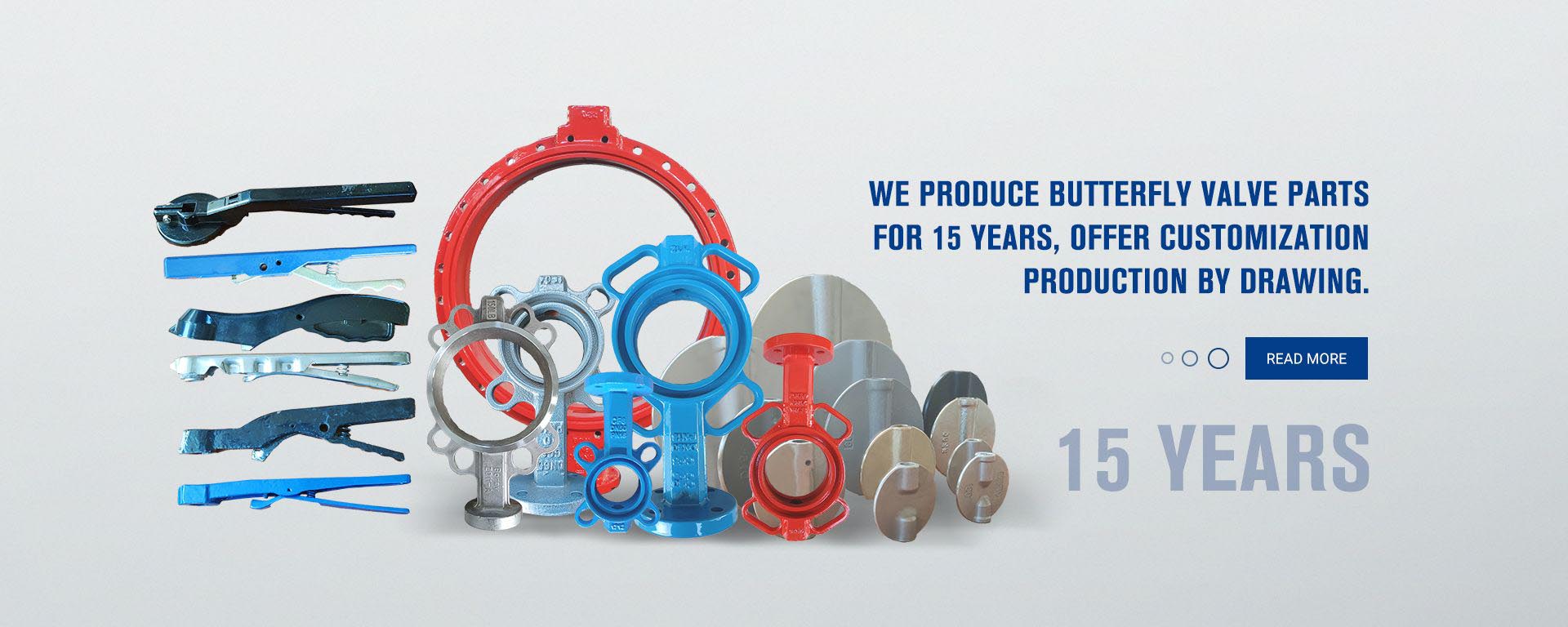
wafer vs flanged butterfly valve Products More Than a Supplier - A Partner
Top Selling Products


- Related Blog
- Related Videos
- Reviews
