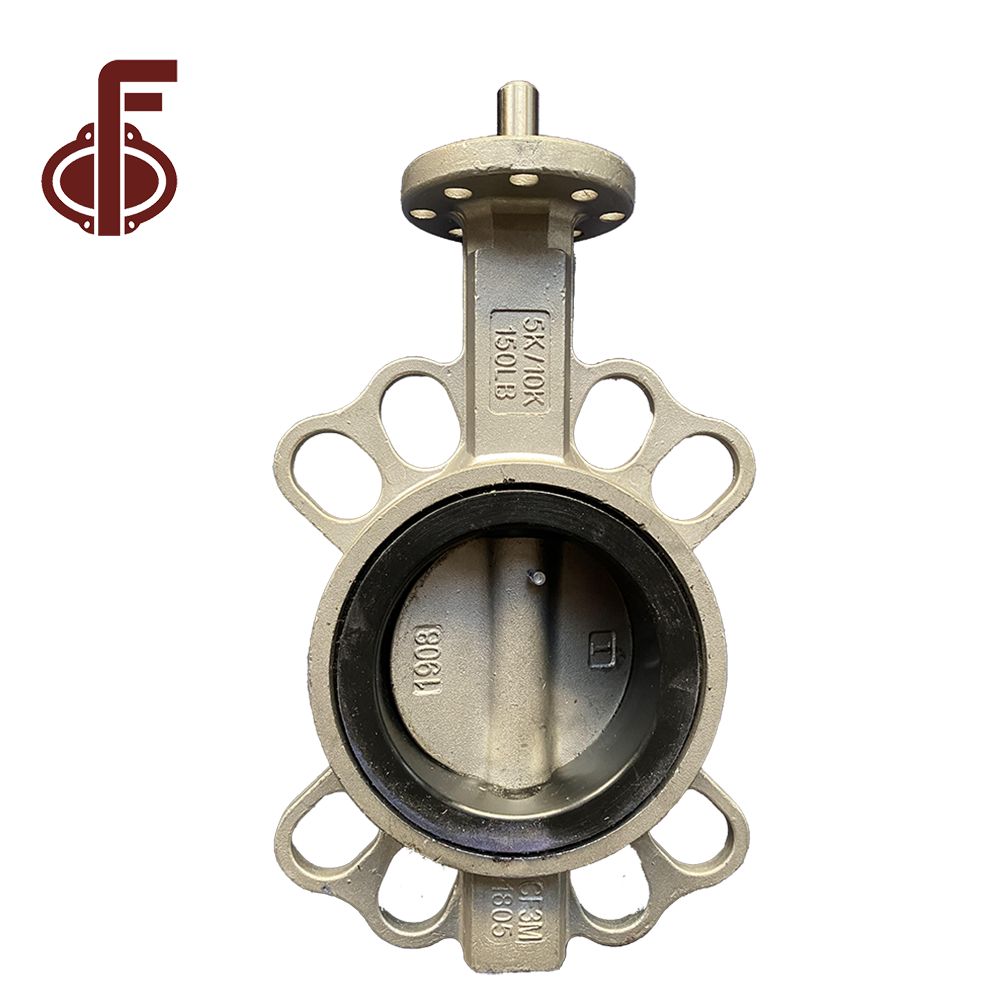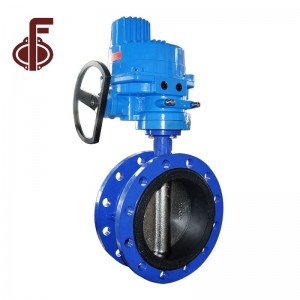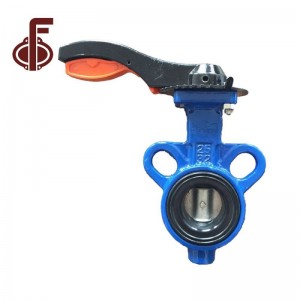


Lever OP Wafer High Performance Butterfly Valve HP BFV


Product Detail of high performance valve
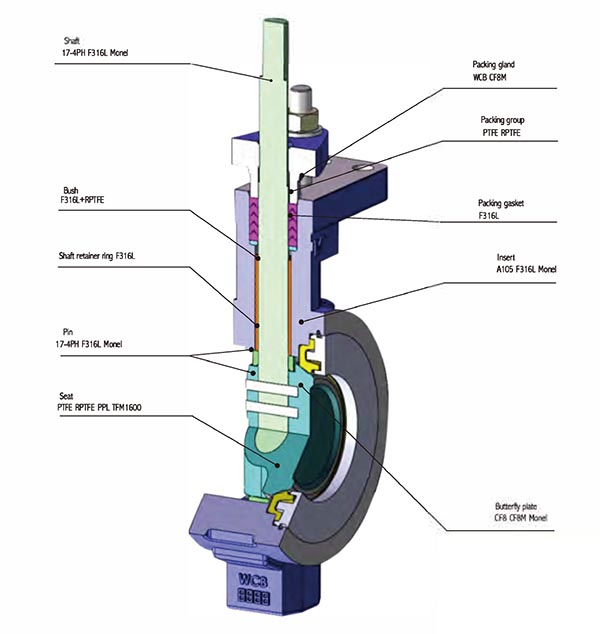
|
Item |
Specification |
| Valve Type | High Performance Butterfly Valve |
| Design | Double Offset |
| Body Type | Wafer |
| Size Range | DN50–DN1200 |
| Pressure Rating | PN10 / PN16 / Class 150 |
| Body Material | Carbon Steel / Stainless Steel |
| Disc Material | CF8M / 2205 |
| Seat Material | PTFE / RPTFE |
| Stem Material | Stainless Steel |
| Operation | Lever / Gearbox / Pneumatic / Electric |
| Media | Water, Air, Gas, etc. |
| Temperature | According to seat material |
| Leakage | Bidirectional Tight Shut-off |
| Flange Standard | EN 1092 / ASME B16.5 / JIS |
| Face-to-Face | EN 558 / API 609 |
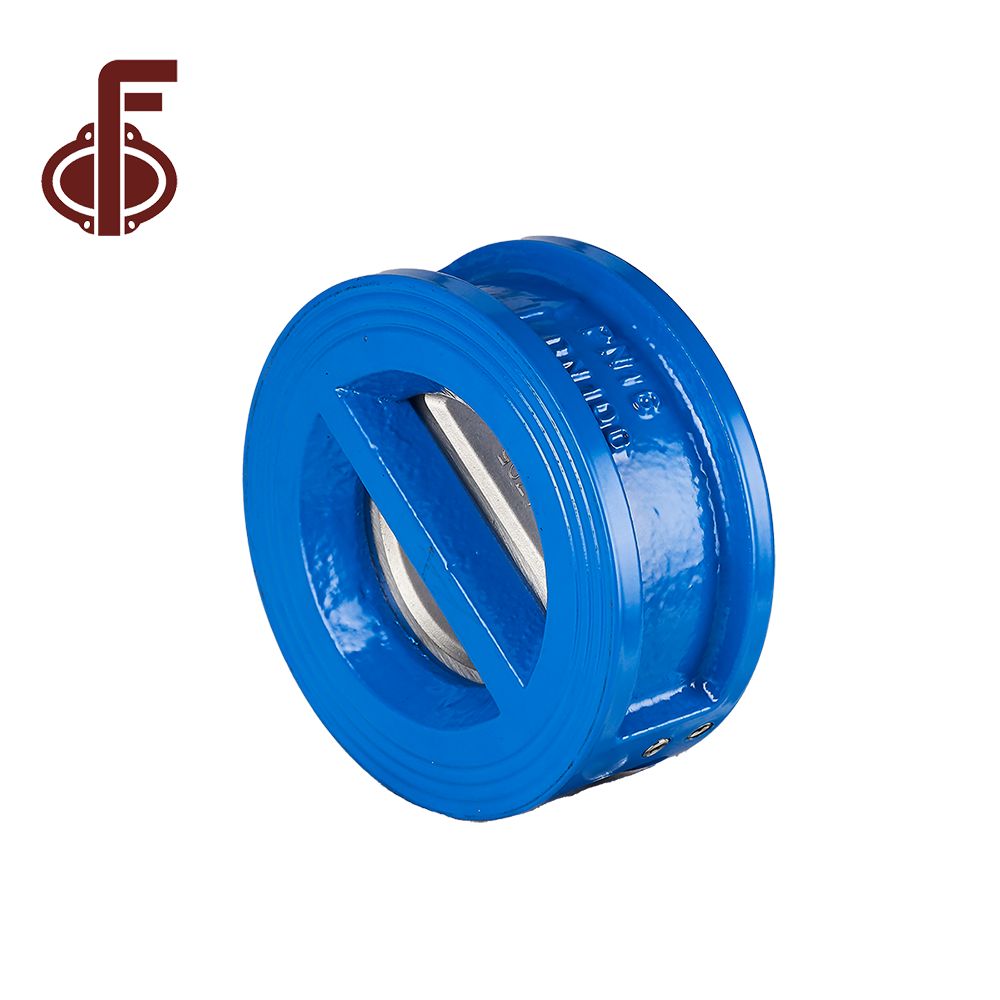
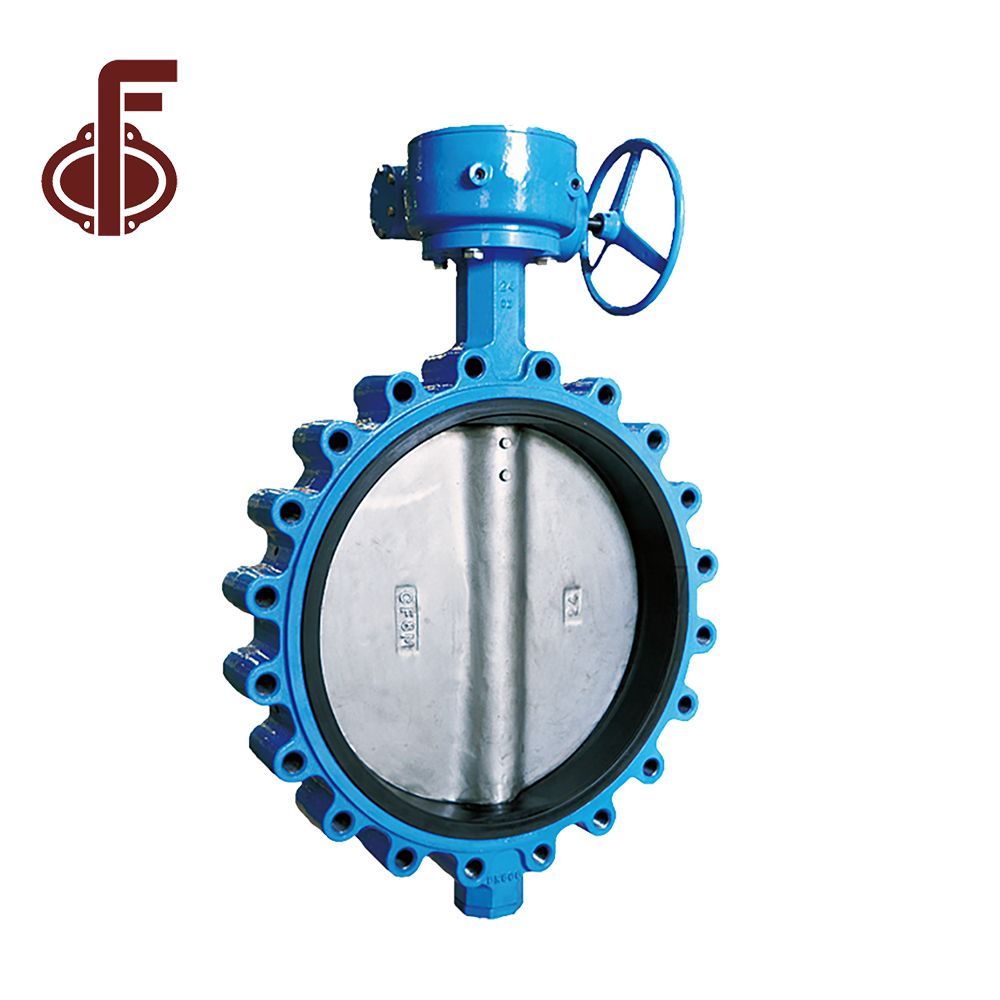
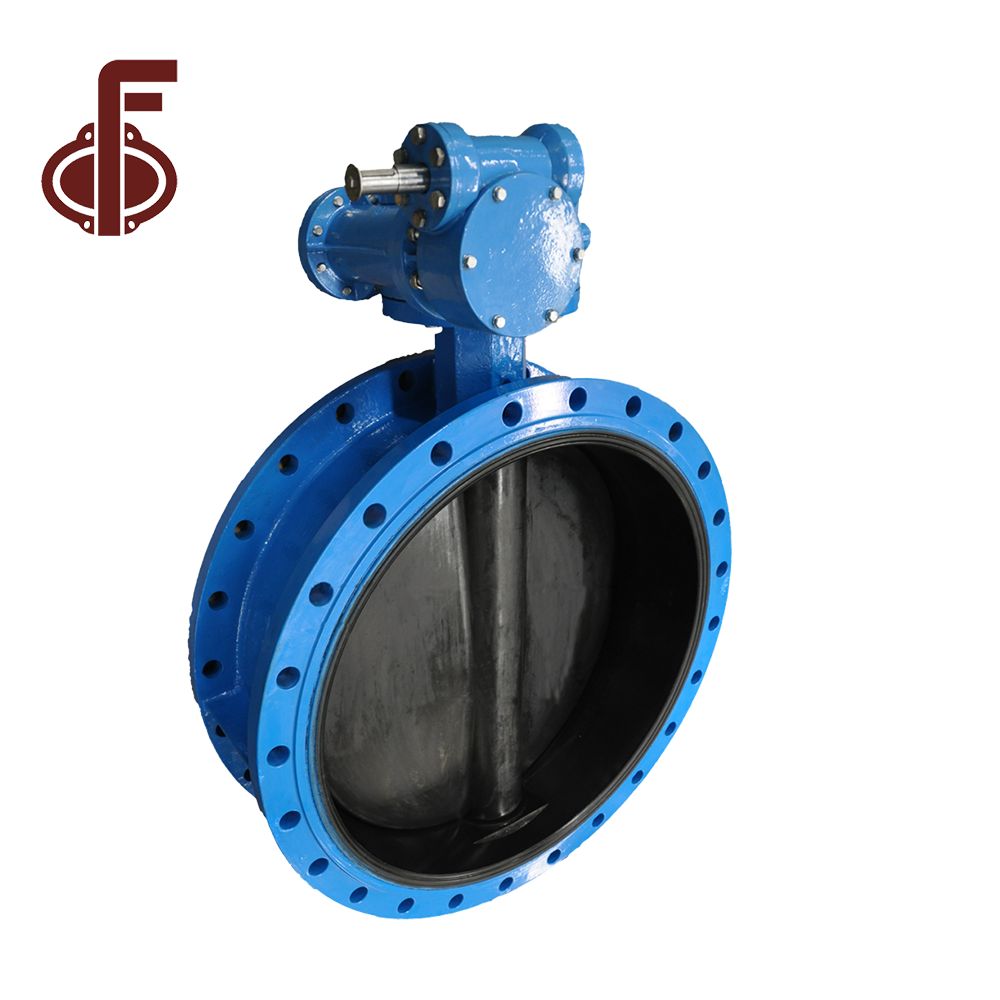
Product Display of wafer hp butterfly valve


Product Advantage of SS HP butterfly valve
High-performance design: As a type of double-eccentric butterfly valve, it minimizes friction between the seat and the disc during operation, thereby significantly reducing seat wear and extending service life.
Wafer-style body: Features a compact face-to-face dimension designed to save installation space, allowing for mounting between pipe flanges; serves as a lightweight alternative to flanged valves, reducing weight without compromising pressure-bearing capacity.
Lever operation: Enables smooth, direct manual regulation and shut-off control, making it ideal for small- to medium-sized valve applications.
HP8 body construction: Features a robust and durable design capable of withstanding high differential pressures and demanding industrial process conditions.
Low operating torque: Reduces frictional resistance, making manual operation easier and lowering actuator specification requirements for automation upgrades.
Tight bi-directional sealing: Delivers zero-leakage or tight shut-off performance across a wide range of temperatures and pressures.
Broad industrial applications: Suitable for sectors such as water treatment, HVAC systems, chemical processing, power generation, and the oil and gas industry.
Certificates of zFA butterfly valve

ISO9001
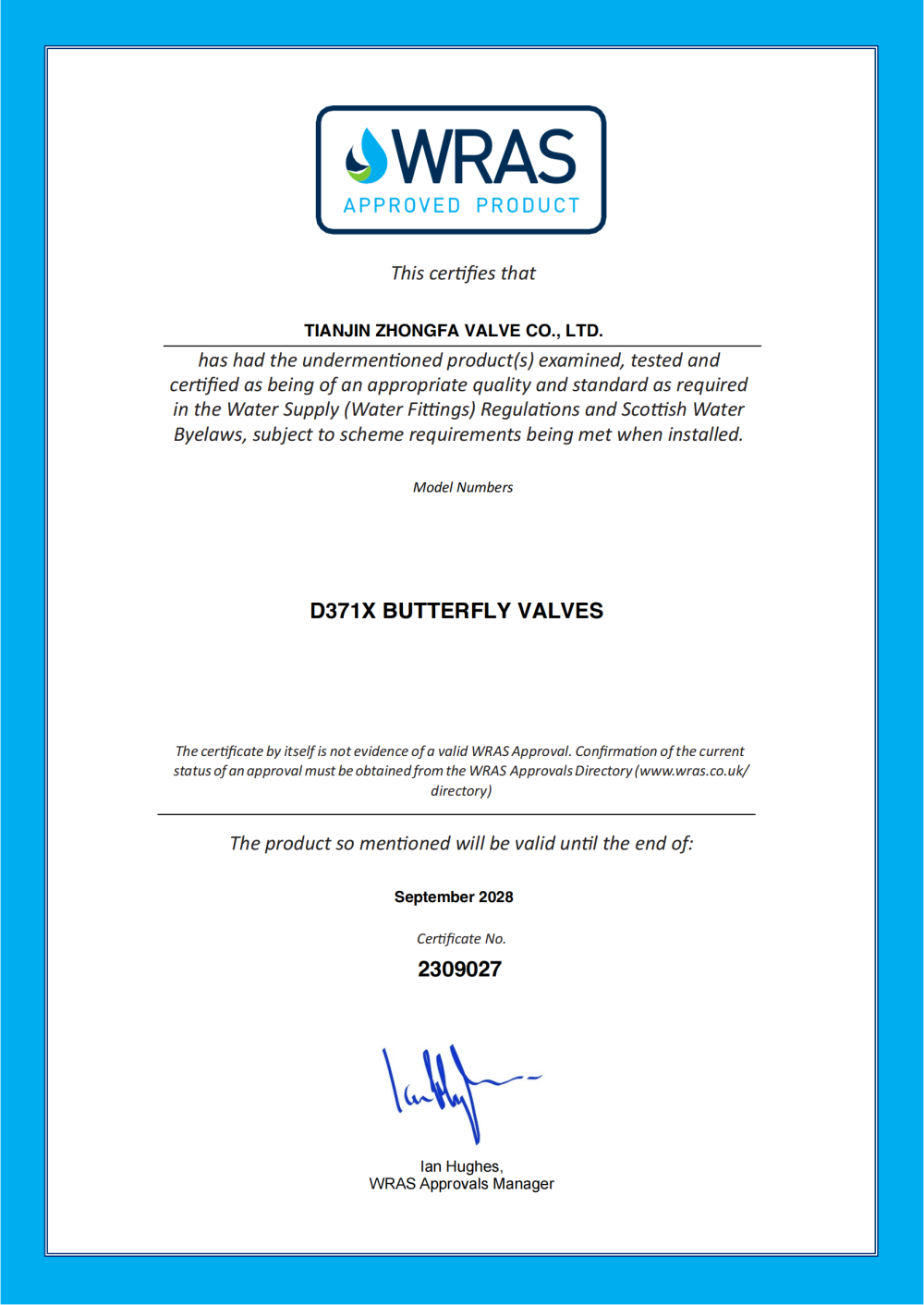
WRAS

CE
CU-TR
FAQ of high performance butterfly valve
Q1. How does a High-Performance Butterfly Valve (HP BFV) differ from a concentric butterfly valve?
A: High-performance butterfly valves feature an offset disc design (double offset), meaning the disc is offset from the stem's centerline. This design allows the disc to disengage from the seat immediately upon opening, significantly reducing continuous friction between the disc and seat compared to standard concentric soft-seated butterfly valves.
Q2. What does "HP BFV" stand for in the technical specifications?
A: "HP BFV" is the industry abbreviation for High-Performance Butterfly Valve. In engineering drawings, piping schedules, and procurement documents, "BFV" stands for butterfly valve, while the "HP" prefix indicates its high-performance and high-pressure design capabilities.
Q3. Can a manually operated valve be upgraded to an actuated version later?
A: Yes. The valve body is equipped with a standardized mounting platform (typically compliant with ISO 5211). You can easily remove the manual handle and install a pneumatic, electric, or gear actuator without removing the valve from the pipeline.
Q4. How do I select the appropriate seat material for the HP8 High-Performance Butterfly Valve?
A: Seat selection depends on the operating medium, fluid temperature, pressure rating, and the chemical corrosiveness of the medium:
PTFE vs RPTFE Seat Options
-PTFE provides excellent chemical resistance, low friction and a wide service temperature range, making it suitable for corrosive and general industrial media.
-RPTFE uses reinforcing fillers to improve mechanical strength, dimensional stability and resistance to creep and wear. It is particularly suitable for high-performance butterfly valves operating under higher pressure or repeated cycling conditions.
Q5. Is this valve suitable for bidirectional flow applications?
A: Yes, high-performance double-offset butterfly valves are designed to provide tight, reliable bidirectional shut-off within the recommended operating pressure range.
Hot Selling Products