
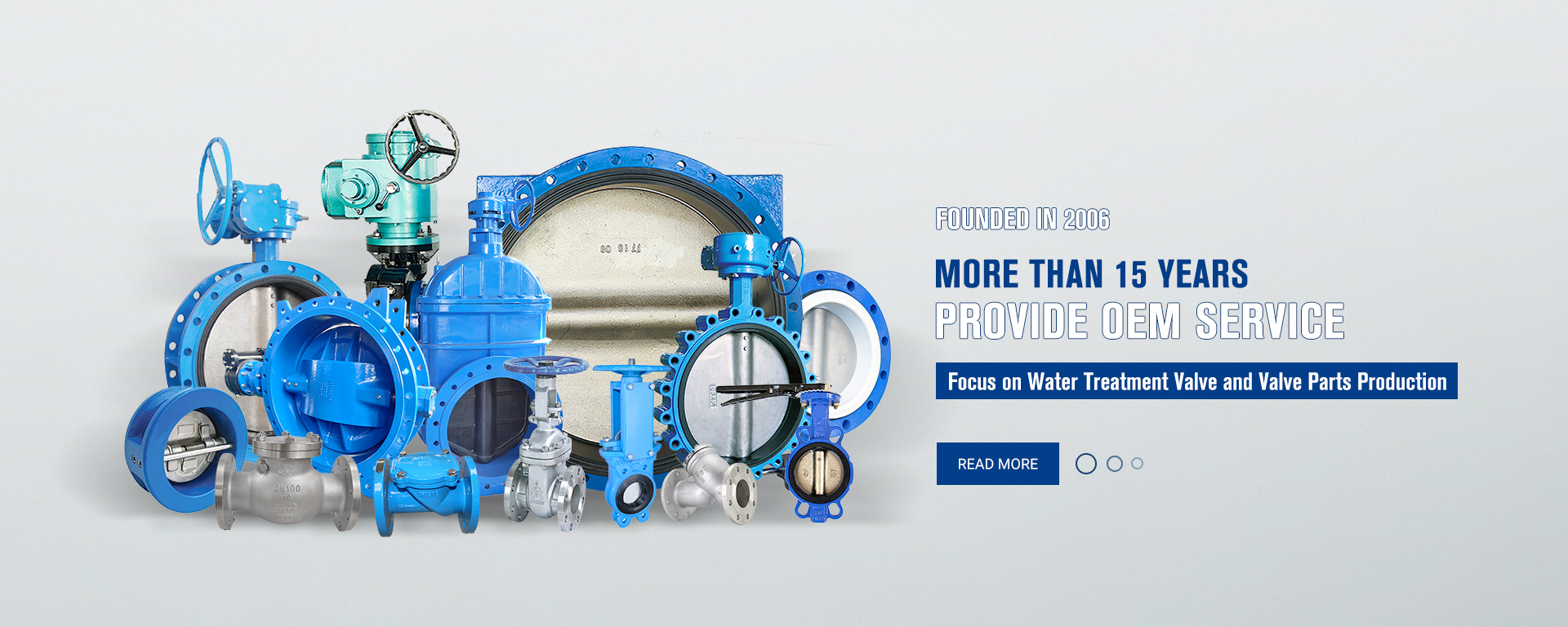
Butterfly Valve vs Gate Valve: China Manufacturer Insights Explained
When choosing between butterfly valves and gate valves, I understand that it can be confusing. Butterfly valves are great for flow regulation and space-saving, while gate valves excel in applications needing minimal pressure loss. As a China-based manufacturer, we prioritize quality and durability in both valve types, ensuring they meet international standards. I’ve seen how our valves perform in various industries, from water treatment to HVAC systems. If you seek reliability and efficiency, our selection will meet your needs. Butterfly valves are lightweight and provide quicker operation, while gate valves are robust for fully open or close applications. By understanding your specific requirements, I can help you determine which valve is the right fit for your project. Trust our expertise to provide you with the best solutions and competitive pricing in the market. Let’s enhance your operations together with our top-quality valves!

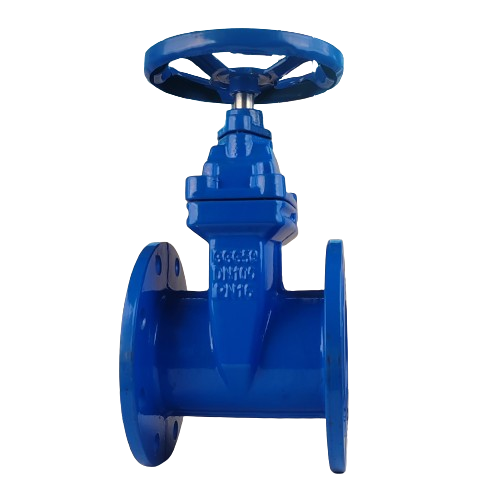
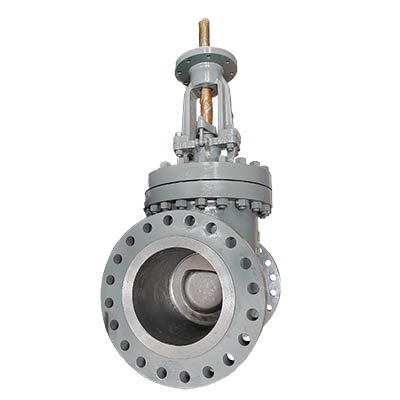
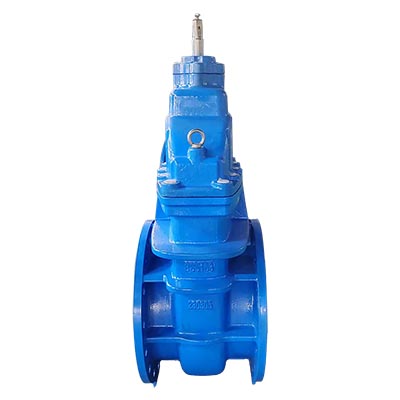
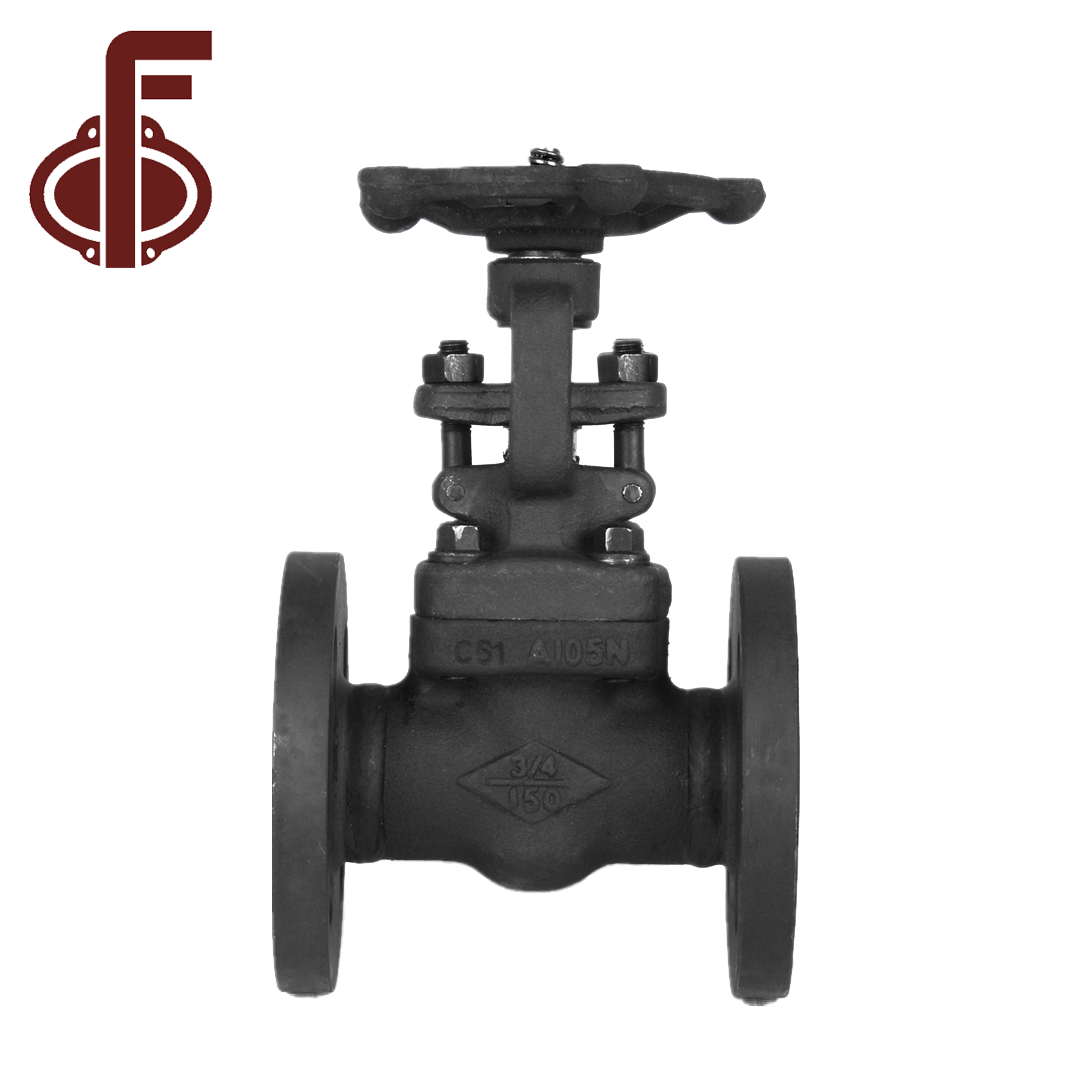
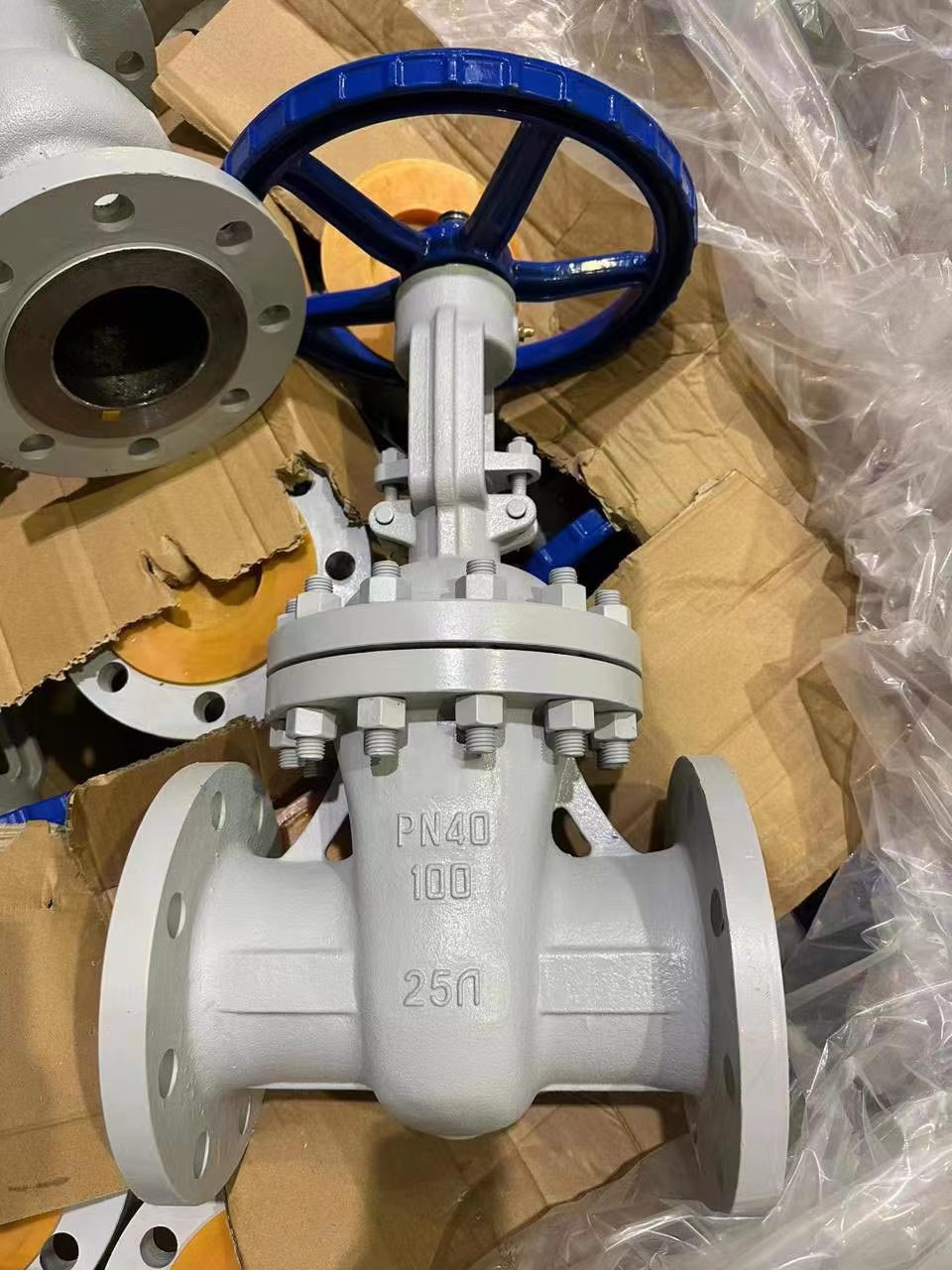
Butterfly Valve Vs Gate Valve Products Sets the Industry Standard
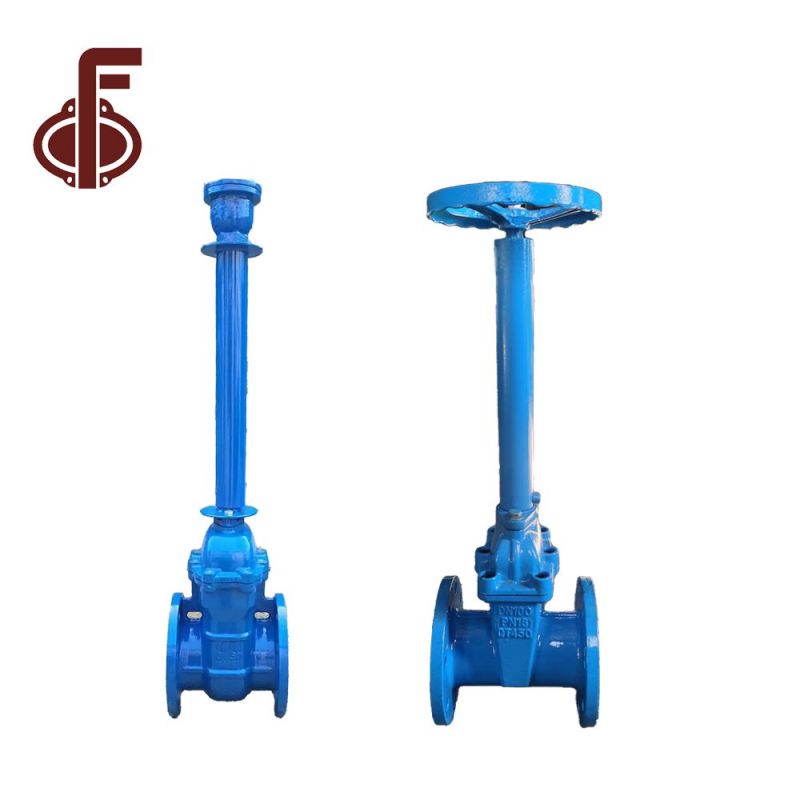
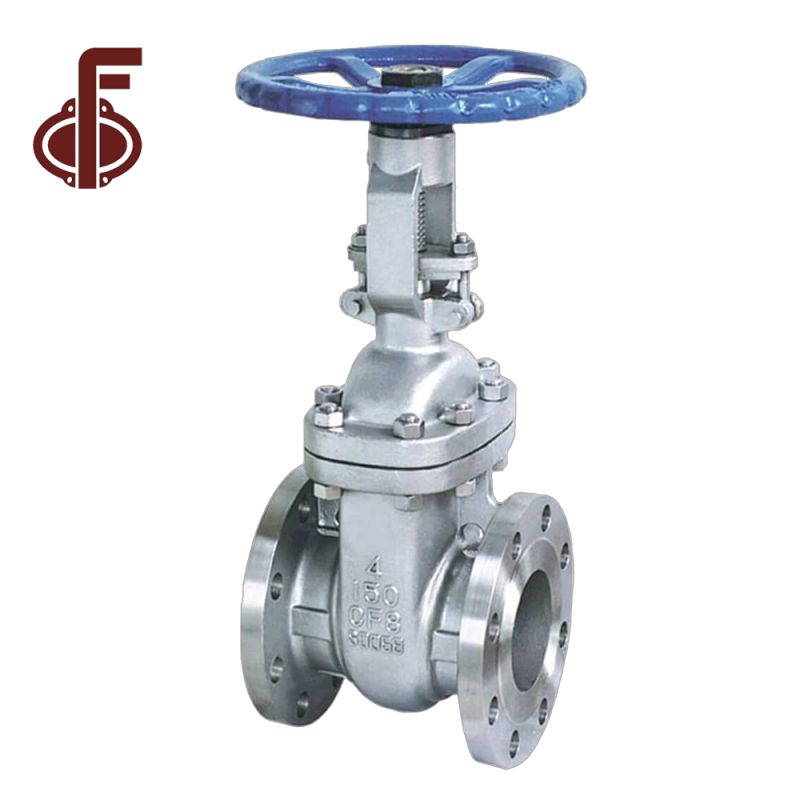
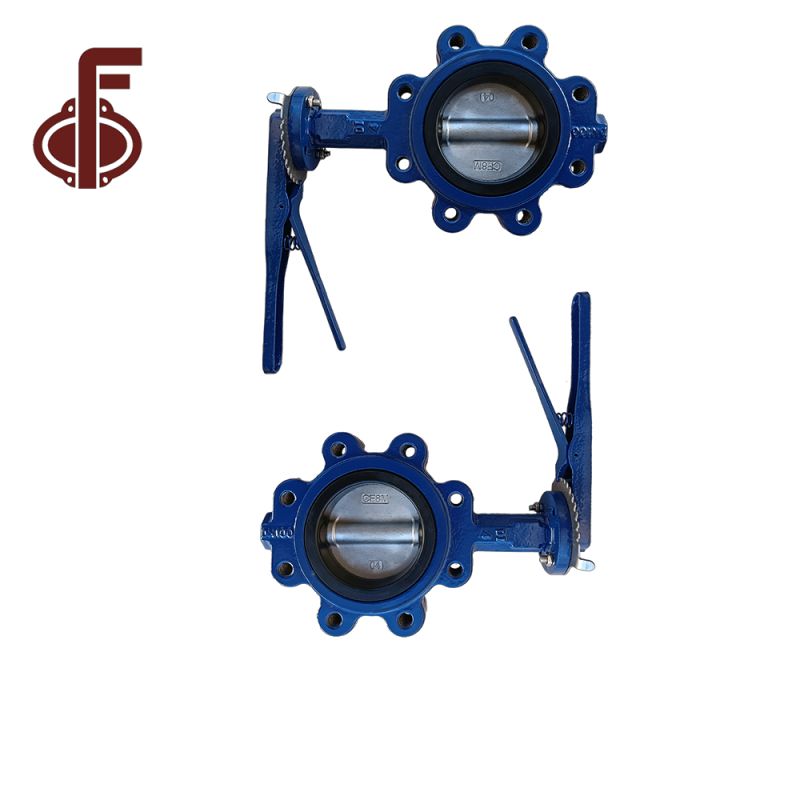
When it comes to fluid control in various industrial applications, the choice between butterfly valves and gate valves is crucial in setting industry standards. Both types of valves serve important roles but have distinct features that cater to different operational needs. Butterfly valves, known for their compact design and quick operation, are ideal for medium to large flow applications. They employ a disc that rotates to open or close, providing significant advantages in terms of weight, cost, and efficient flow control. Their ability to maintain tight seals under pressure makes them an excellent choice for water treatment facilities, HVAC systems, and in chemical processing where precise flow regulation is essential. In contrast, gate valves are favored for applications where minimal pressure drop and full flow capacity are paramount. These valves operate by raising or lowering a gate to control the flow, allowing them to effectively shut off or isolate sections of a piping system. They are typically utilized in oil and gas industries, power generation, and other settings requiring high flow rates without restrictions. Understanding the specific advantages and applications of each valve type ensures that procurement decisions enhance operational efficiency and compliance with industry standards.
Butterfly Valve Vs Gate Valve Products Sets the Industry Standard
| Valve Type | Operation Mechanism | Common Applications | Advantages | Disadvantages |
|---|---|---|---|---|
| Butterfly Valve | Rotating disc | Water supply, HVAC, Fire protection | Compact design, quick operation | Limited throttling capability |
| Gate Valve | Sliding gate | Oil & gas, Waterworks, Power plants | Excellent sealing, minimal pressure drop | Slower operation, requires space |
| Butterfly Valve | Manual or automatic | Chemical processing, Food production | Lightweight, low cost | Potential turbulence |
| Gate Valve | Manual or electric | Pipelines, Wastewater treatment | Durability, can handle high pressure | Not ideal for throttling |
Related Products
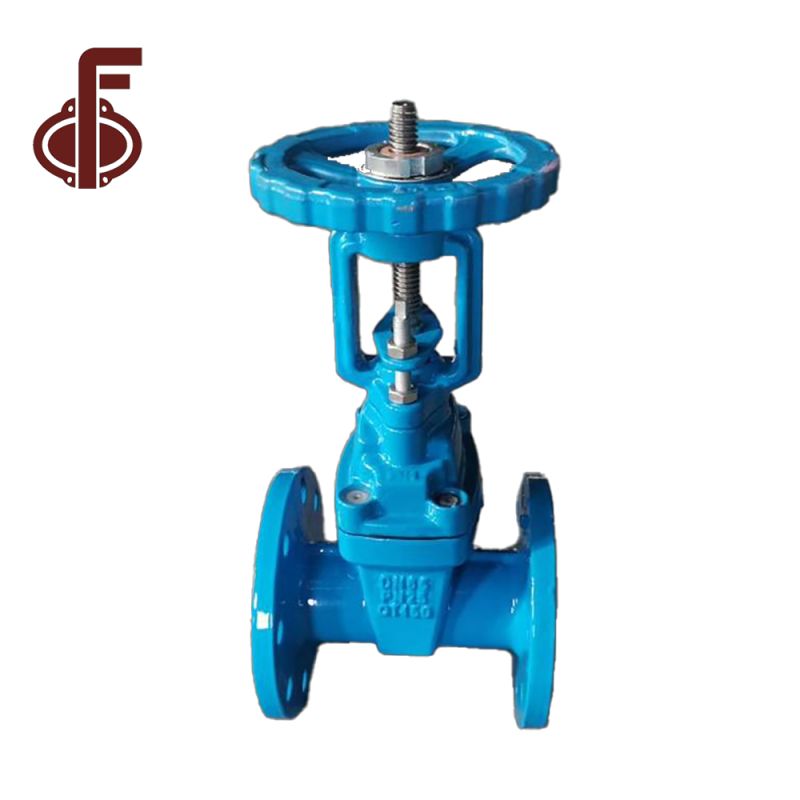
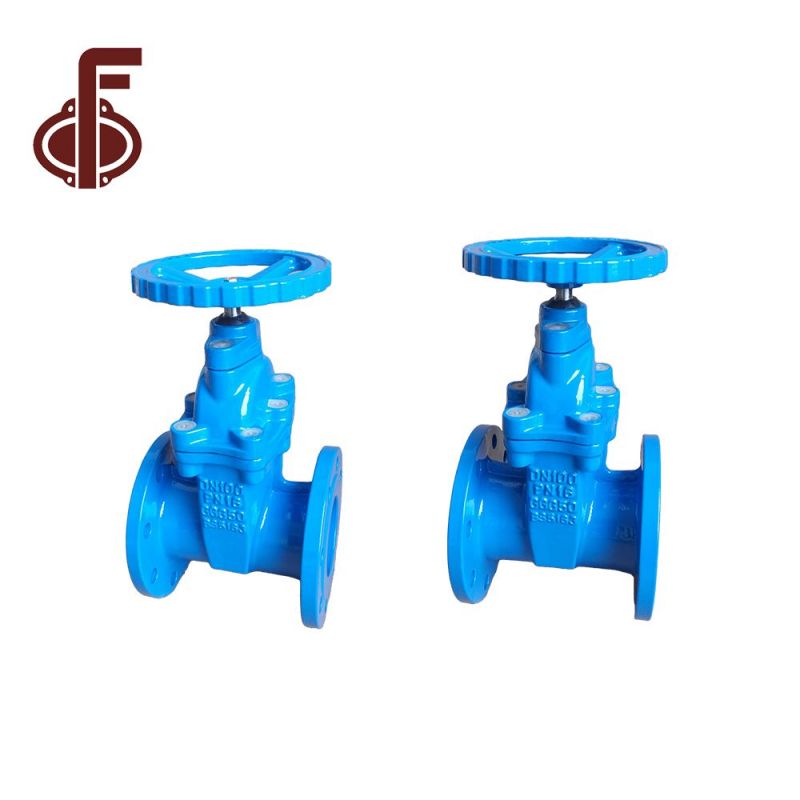


Butterfly Valve Vs Gate Valve Manufacturer Your End-to-End Solution
Top Selling Products


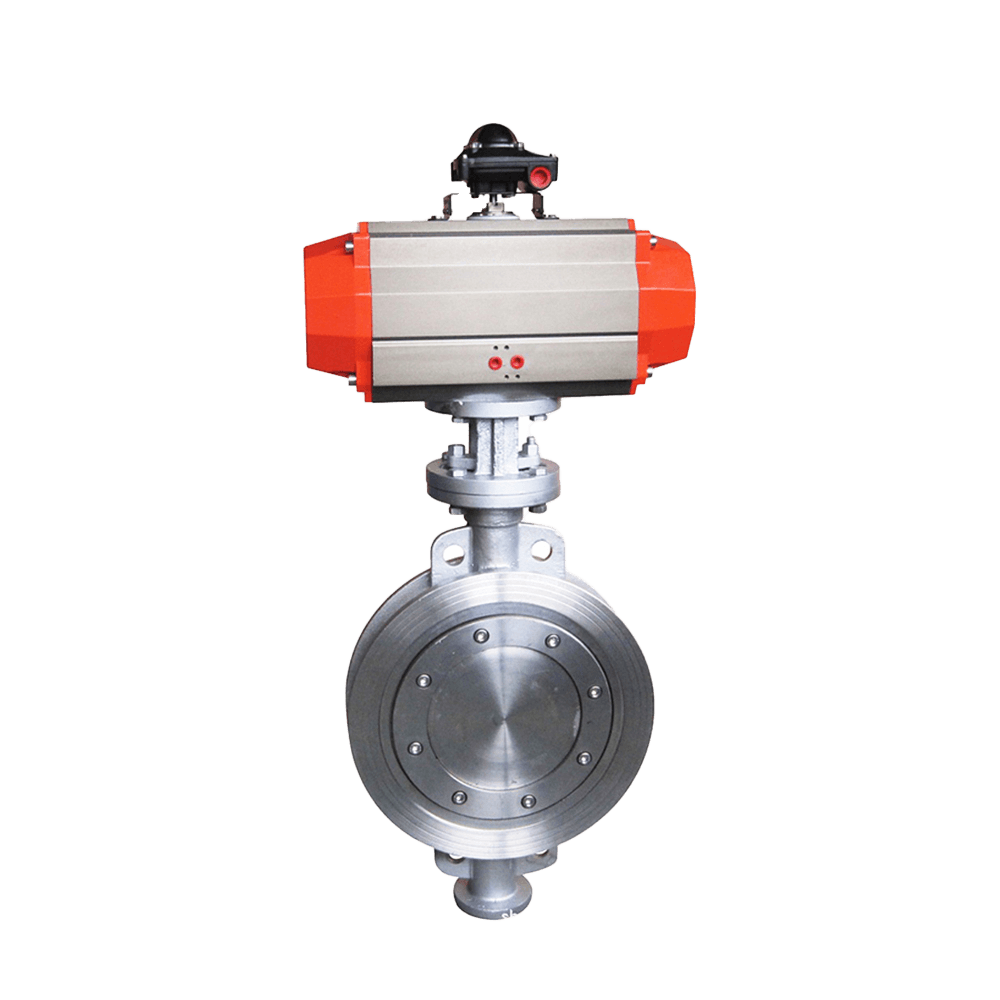
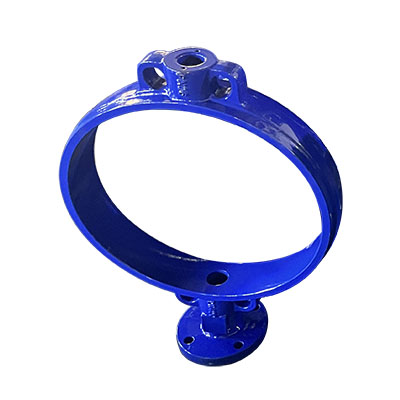


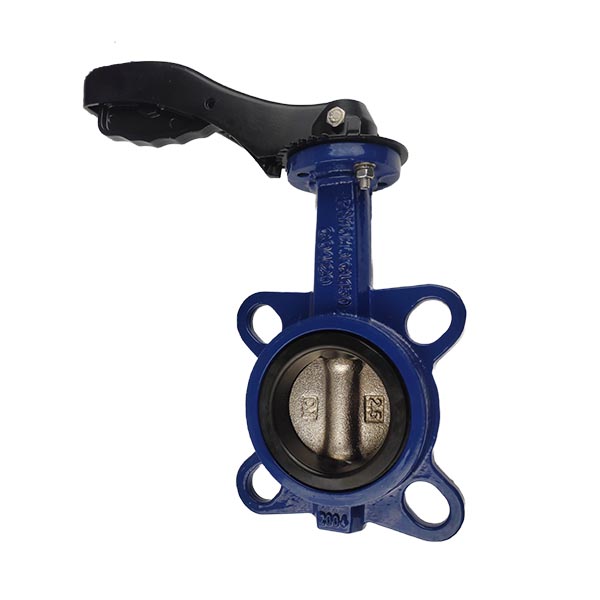


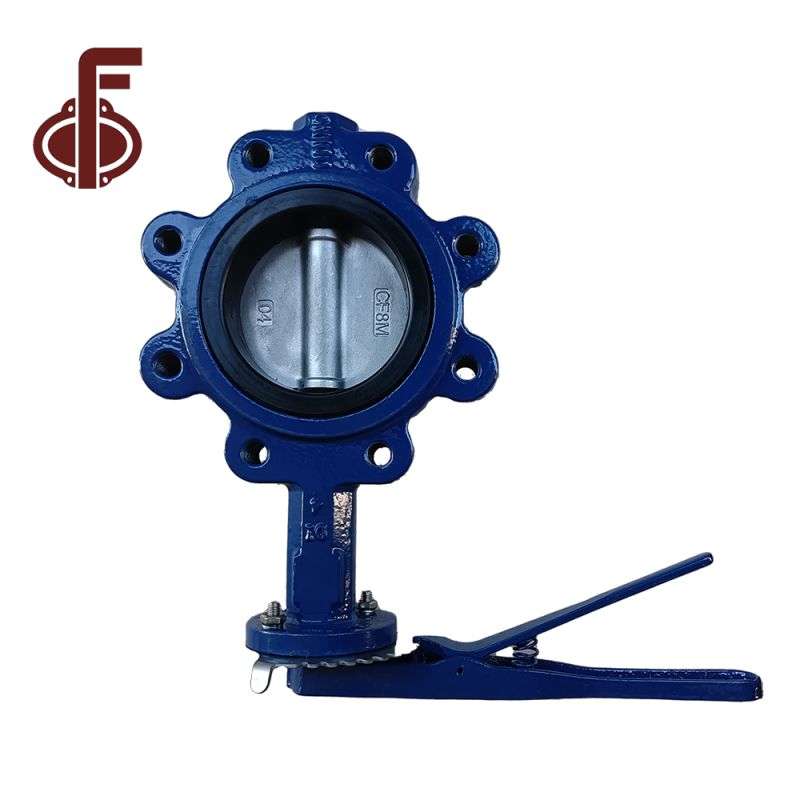
- Related Blog
- Related Videos
- Reviews
Butterfly Valve Vs Gate Valve Related Videos From Youtube

- English
- French
- German
- Portuguese
- Spanish
- Russian
- Japanese
- Korean
- Arabic
- Irish
- Greek
- Turkish
- Italian
- Danish
- Romanian
- Indonesian
- Czech
- Afrikaans
- Swedish
- Polish
- Basque
- Catalan
- Esperanto
- Hindi
- Lao
- Albanian
- Amharic
- Armenian
- Azerbaijani
- Belarusian
- Bengali
- Bosnian
- Bulgarian
- Cebuano
- Chichewa
- Corsican
- Croatian
- Dutch
- Estonian
- Filipino
- Finnish
- Frisian
- Galician
- Georgian
- Gujarati
- Haitian
- Hausa
- Hawaiian
- Hebrew
- Hmong
- Hungarian
- Icelandic
- Igbo
- Javanese
- Kannada
- Kazakh
- Khmer
- Kurdish
- Kyrgyz
- Latin
- Latvian
- Lithuanian
- Luxembou..
- Macedonian
- Malagasy
- Malay
- Malayalam
- Maltese
- Maori
- Marathi
- Mongolian
- Burmese
- Nepali
- Norwegian
- Pashto
- Persian
- Punjabi
- Serbian
- Sesotho
- Sinhala
- Slovak
- Slovenian
- Somali
- Samoan
- Scots Gaelic
- Shona
- Sindhi
- Sundanese
- Swahili
- Tajik
- Tamil
- Telugu
- Thai
- Ukrainian
- Urdu
- Uzbek
- Vietnamese
- Welsh
- Xhosa
- Yiddish
- Yoruba
- Zulu
- Kinyarwanda
- Tatar
- Oriya
- Turkmen
- Uyghur