
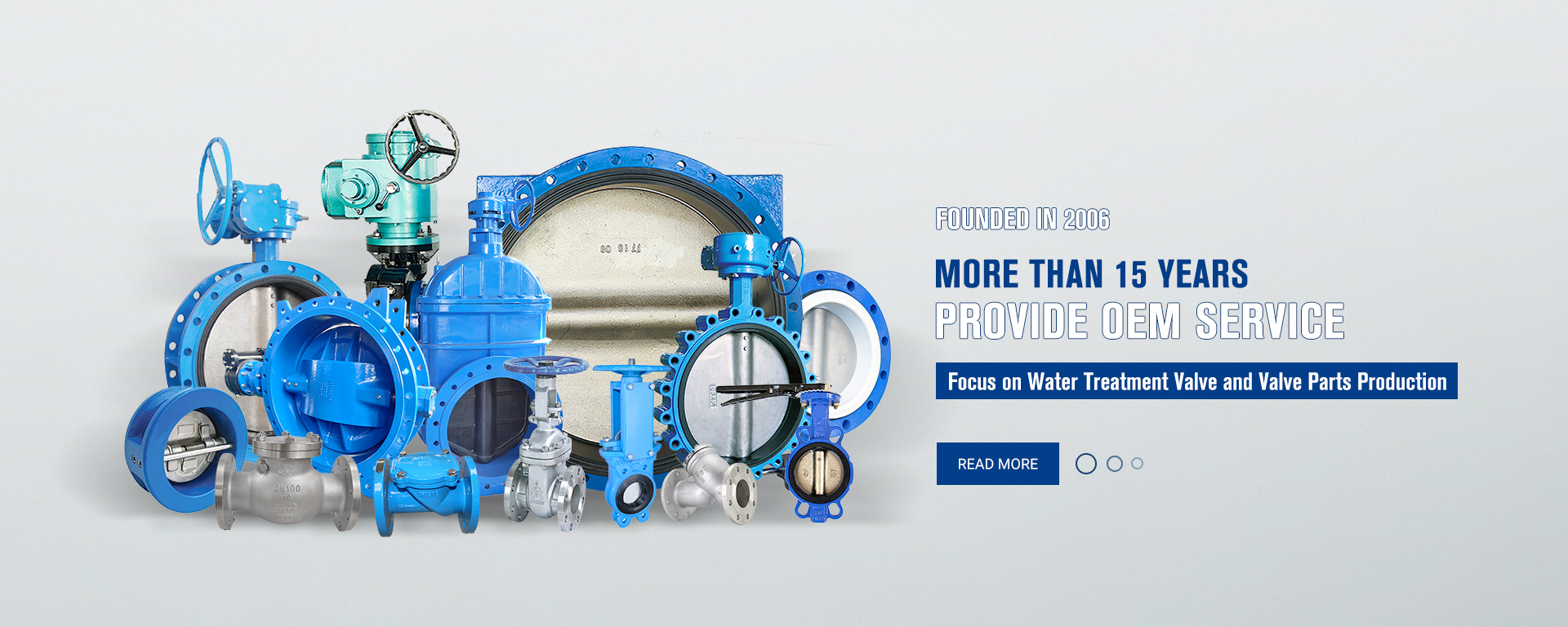
Types of Butterfly Valves from Leading Manufacturers in China
When it comes to choosing the right butterfly valves, I understand that options can be overwhelming. That’s why I’m thrilled to share our extensive range of butterfly valves, tailored to meet diverse industrial needs. As a reputable manufacturer based in China, we pride ourselves on delivering high-quality, durable products that ensure optimal performance. Our selection includes various types of butterfly valves, each engineered for specific applications—whether for controlling flow in pipelines or regulating pressure in systems. I’ve seen firsthand how our valves enhance operational efficiency while being cost-effective. If you’re a B2B purchaser seeking reliable solutions, my team and I are here to assist you in making the right choice. From large orders to custom solutions, we’re committed to providing support every step of the way. Let’s elevate your operations together with our exceptional butterfly valves!
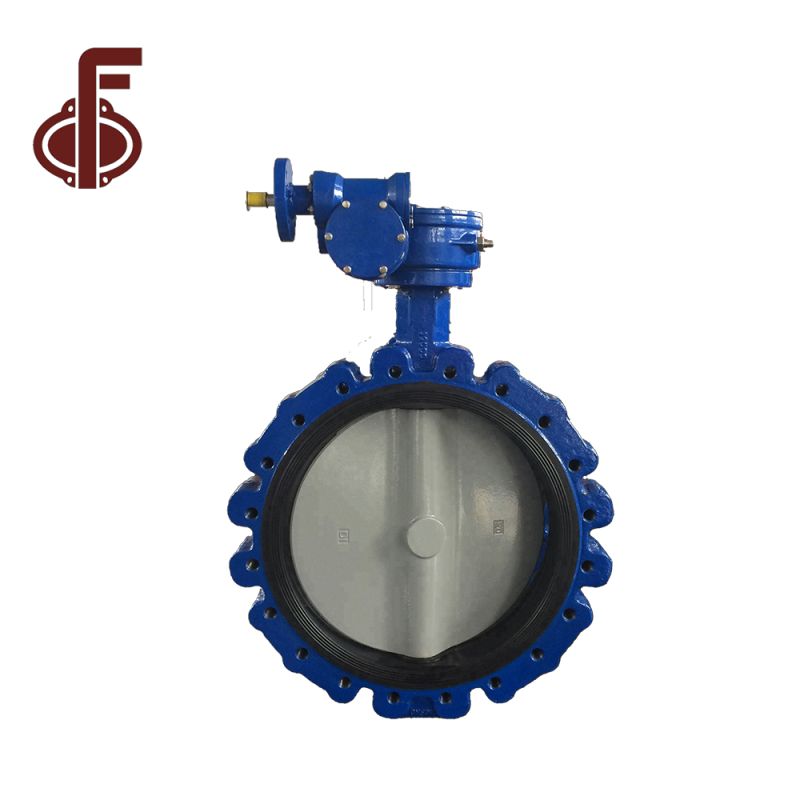

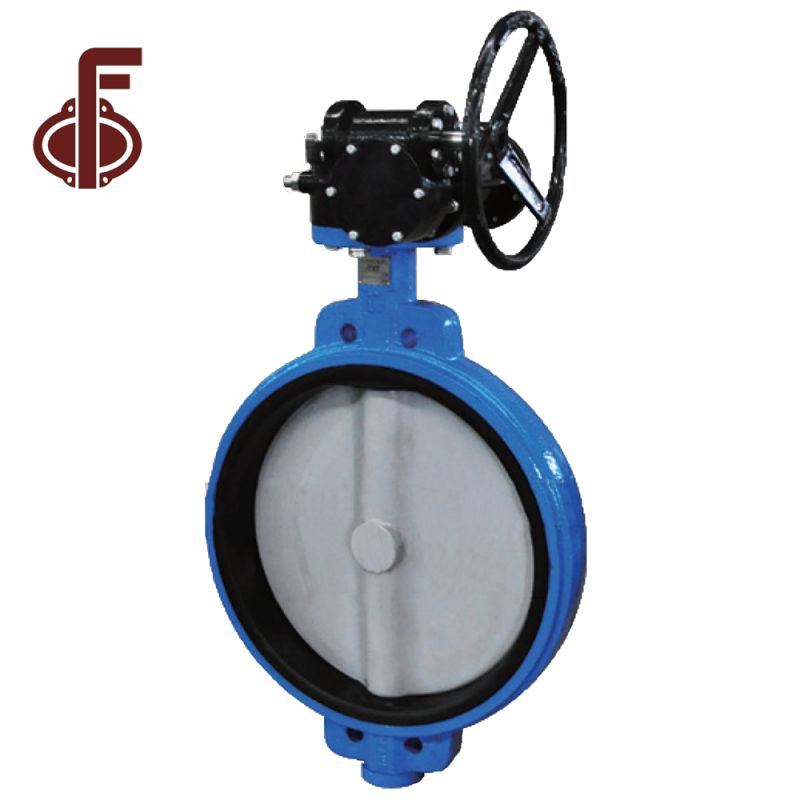
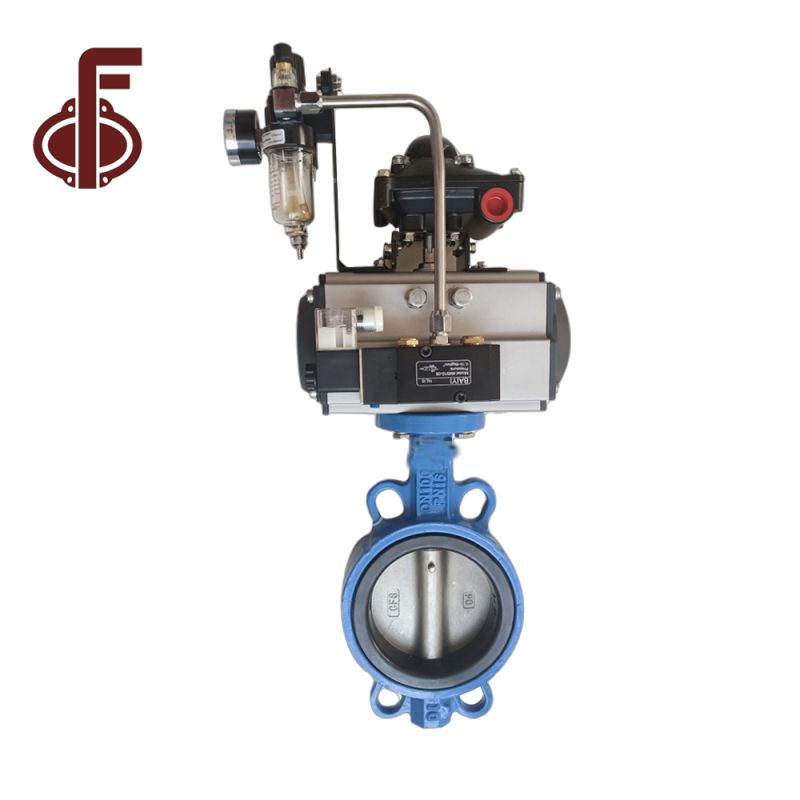
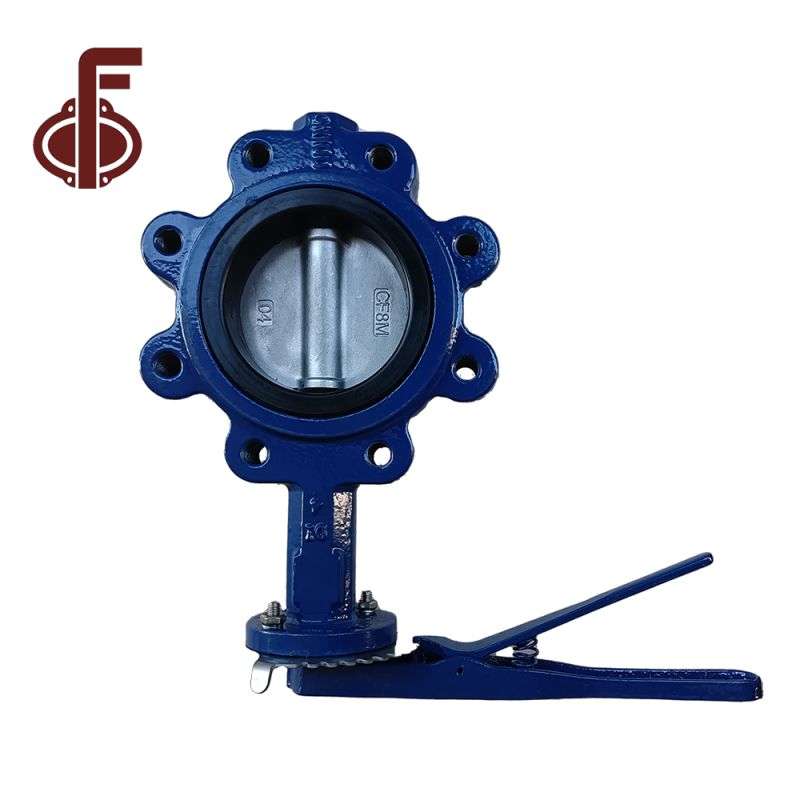
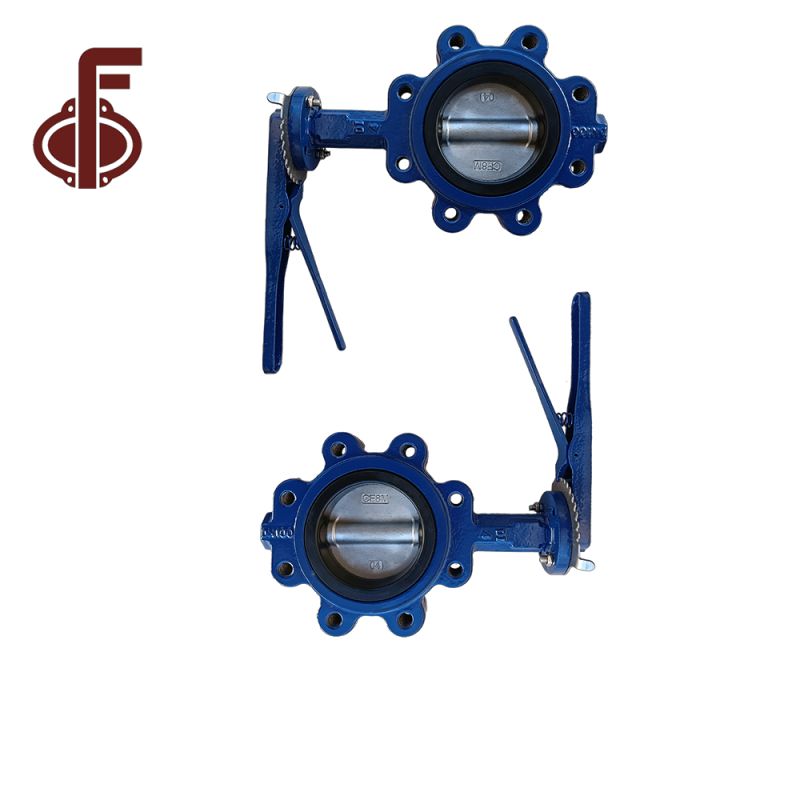
Type Of Butterfly Valves Is The Best Ahead of the Curve
When it comes to selecting the best types of butterfly valves for various applications, it's crucial to consider a few key factors that ensure optimal performance and reliability. Butterfly valves are known for their simple design, lightweight construction, and quick operation, making them a popular choice in a range of industries, from water treatment to oil and gas. The effectiveness of a butterfly valve largely depends on its material, sealing technology, and size. For example, resilient seated butterfly valves are often preferred for water applications due to their excellent sealing capabilities, while high-performance butterfly valves—designed for higher pressure and temperature—are ideal for more demanding environments. As global demand for efficient fluid control solutions rises, manufacturers are innovating to create butterfly valves that not only meet stringent industry standards but also provide advanced features. Among the latest trends, features like automated actuation and smart connectivity are gaining traction, allowing for real-time monitoring and remote operation. These advancements enhance operational efficiency, minimize downtime, and ensure that systems run smoothly, adapting to the evolving needs of the market. In conclusion, choosing the right butterfly valve involves assessing specific project requirements and understanding the latest trends. Whether you require a standard valve or a specialty option, staying informed about the advancements in valve technology is essential for making an educated purchasing decision. By focusing on quality, performance, and innovative features, buyers can stay ahead in an increasingly competitive landscape.
Type Of Butterfly Valves Is The Best Ahead of the Curve
| Valve Type | Material | Size (inches) | Temperature Range (°F) | Application |
|---|---|---|---|---|
| Wafer Butterfly Valve | Cast Iron | 2 | -20 to 150 | Water Supply |
| Lug Butterfly Valve | Stainless Steel | 4 | -20 to 200 | Chemical Processing |
| Flanged Butterfly Valve | PVC | 6 | 45 to 110 | Swimming Pool |
| Electric Butterfly Valve | Aluminum | 8 | -10 to 180 | HVAC Systems |
| Manual Butterfly Valve | Copper | 10 | -50 to 200 | Oil & Gas |
Related Products
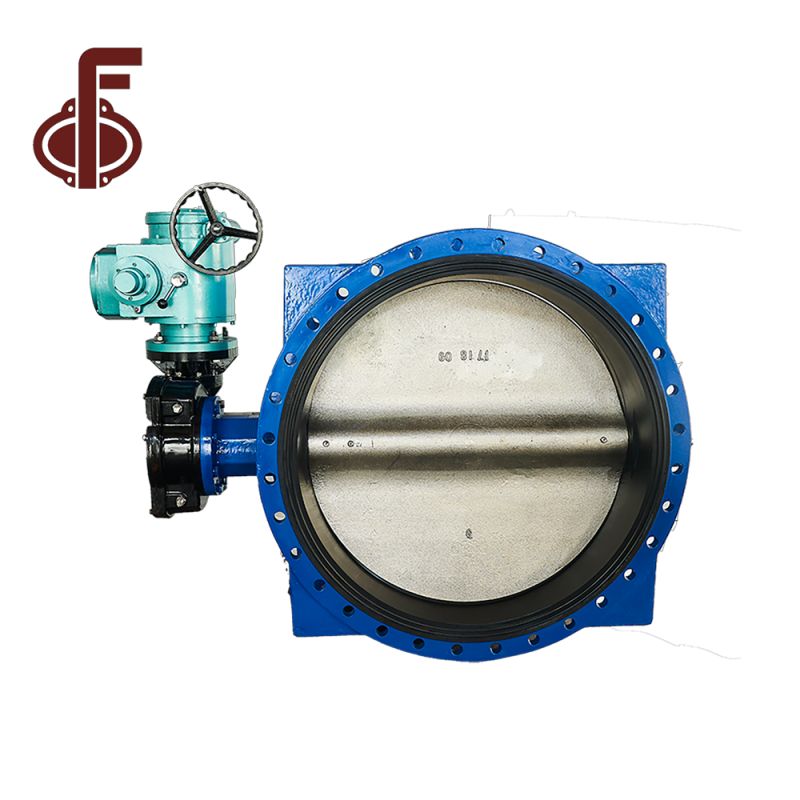
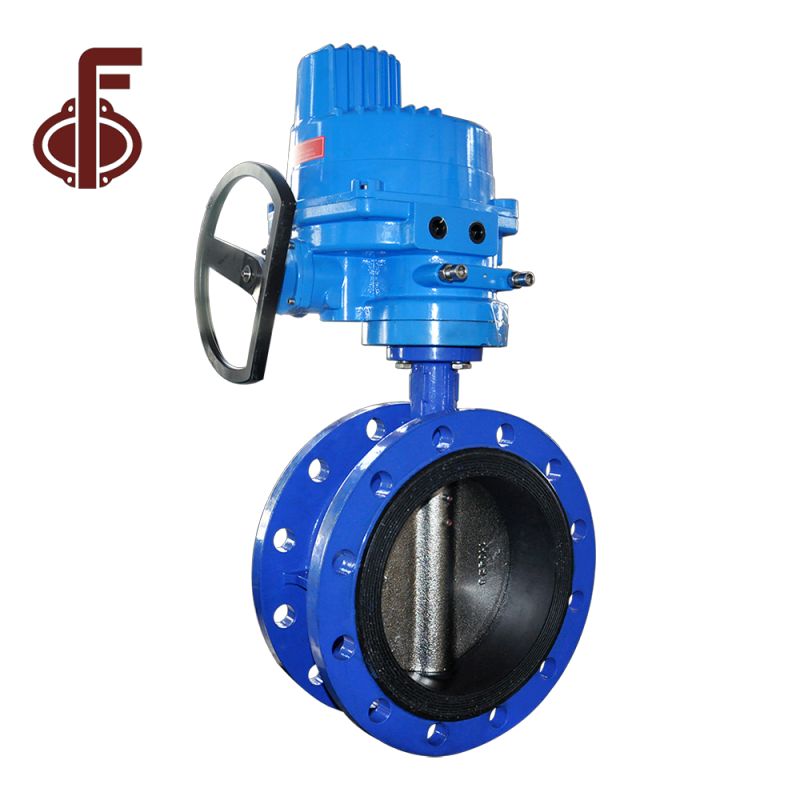
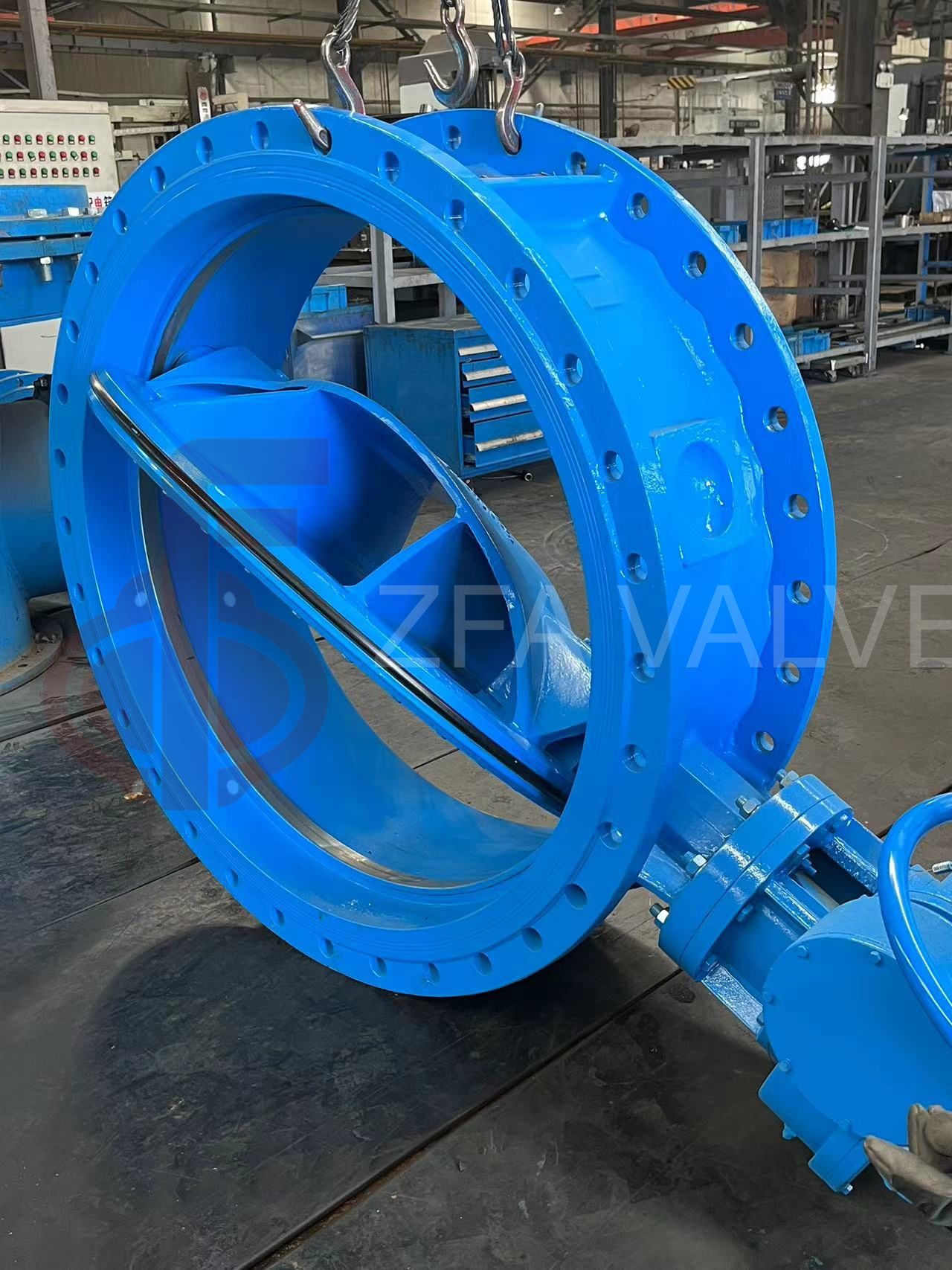
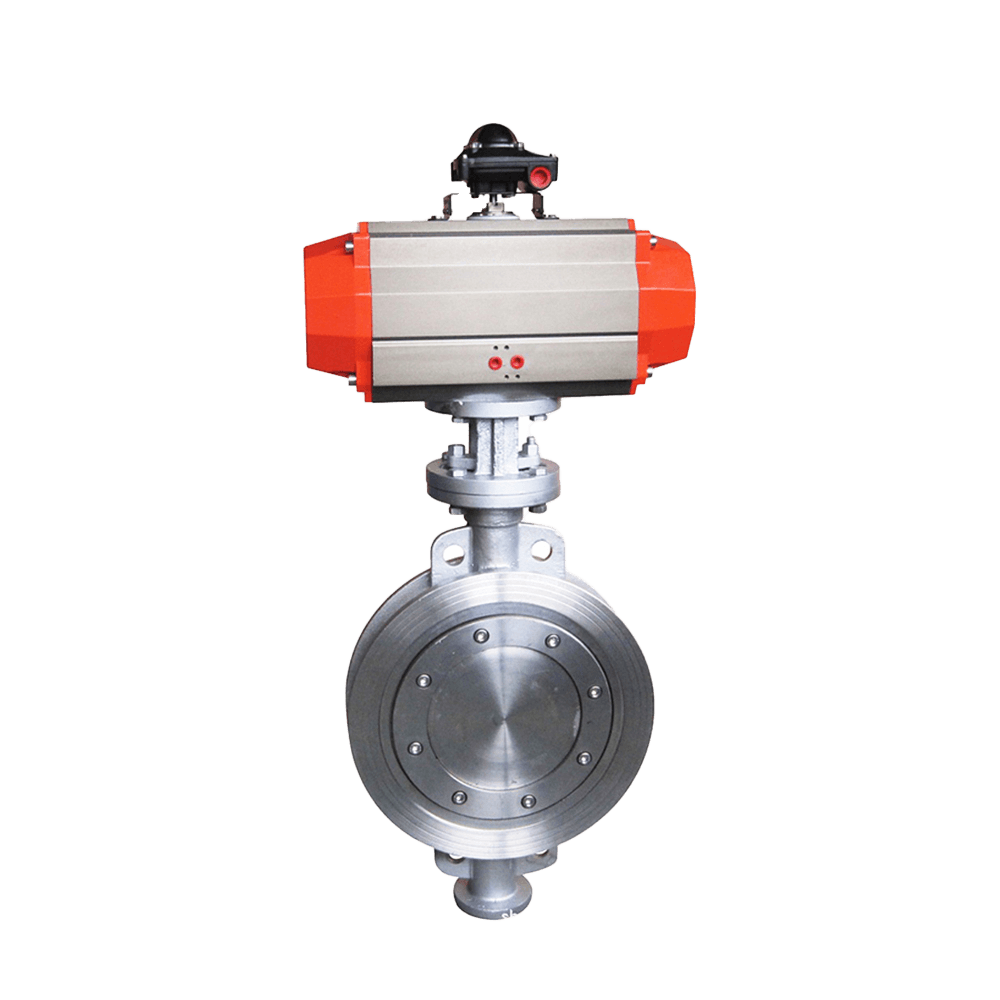
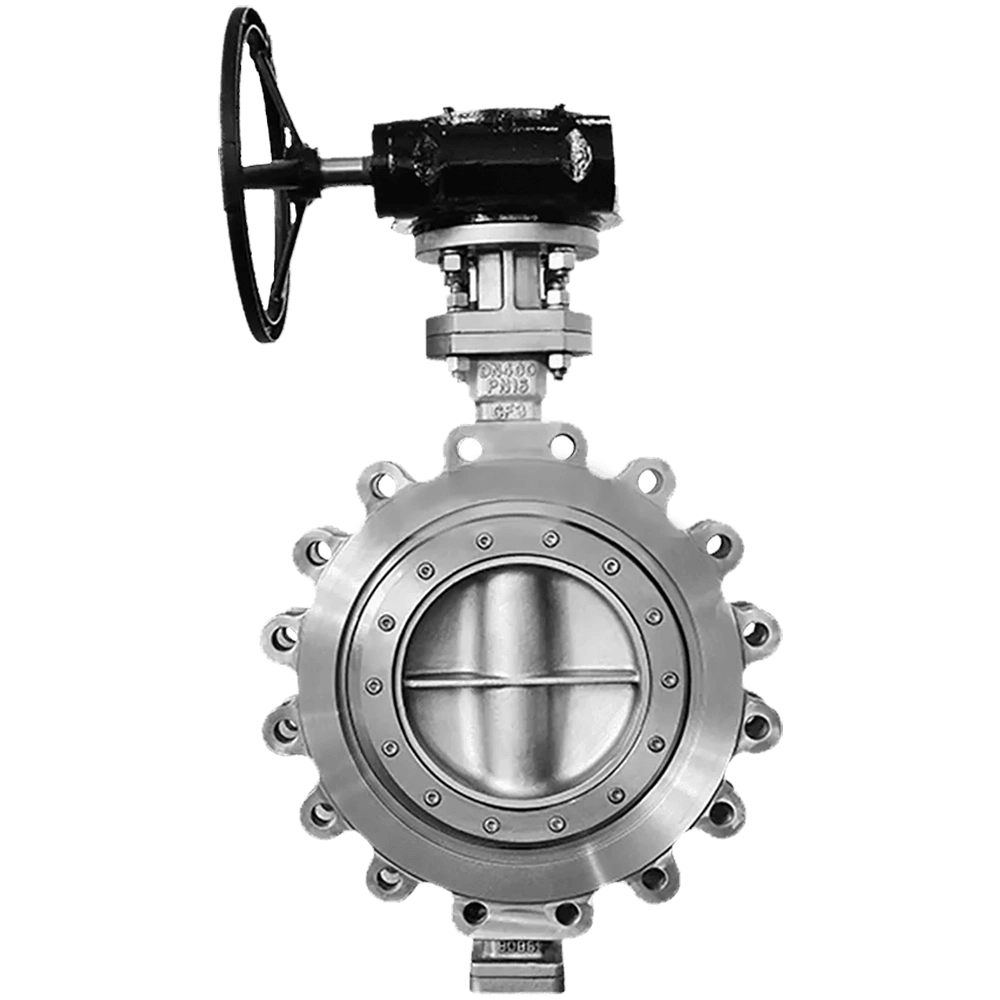

Type Of Butterfly Valves Custom Solutions, Where Service Meets Innovation
Top Selling Products



- Related Blog
- Related Videos
- Reviews
