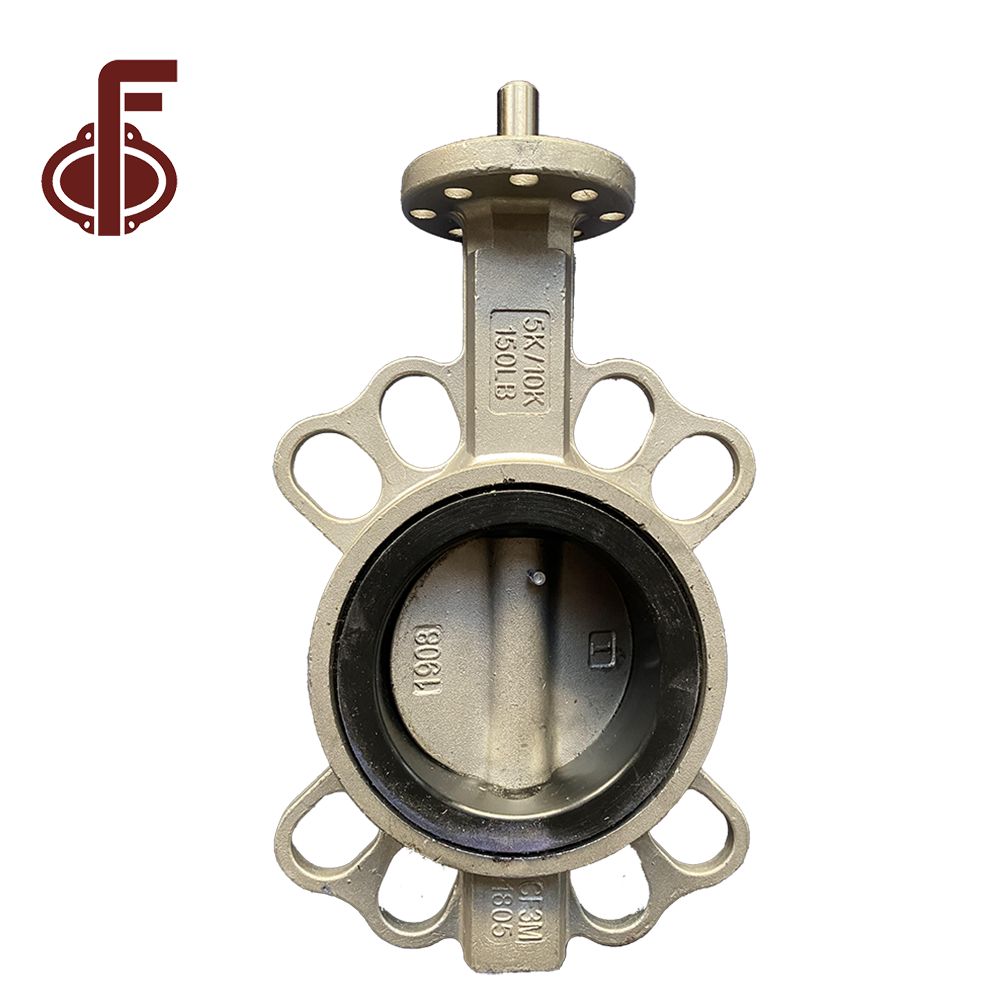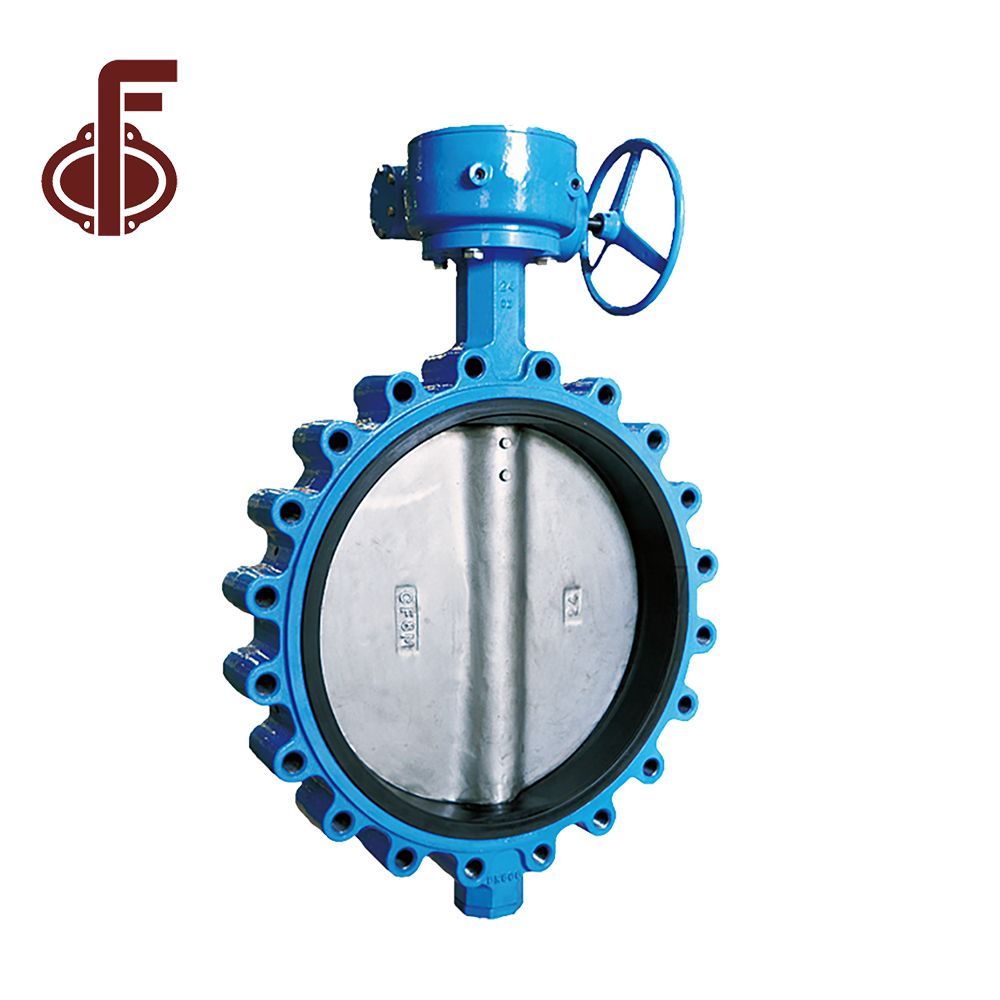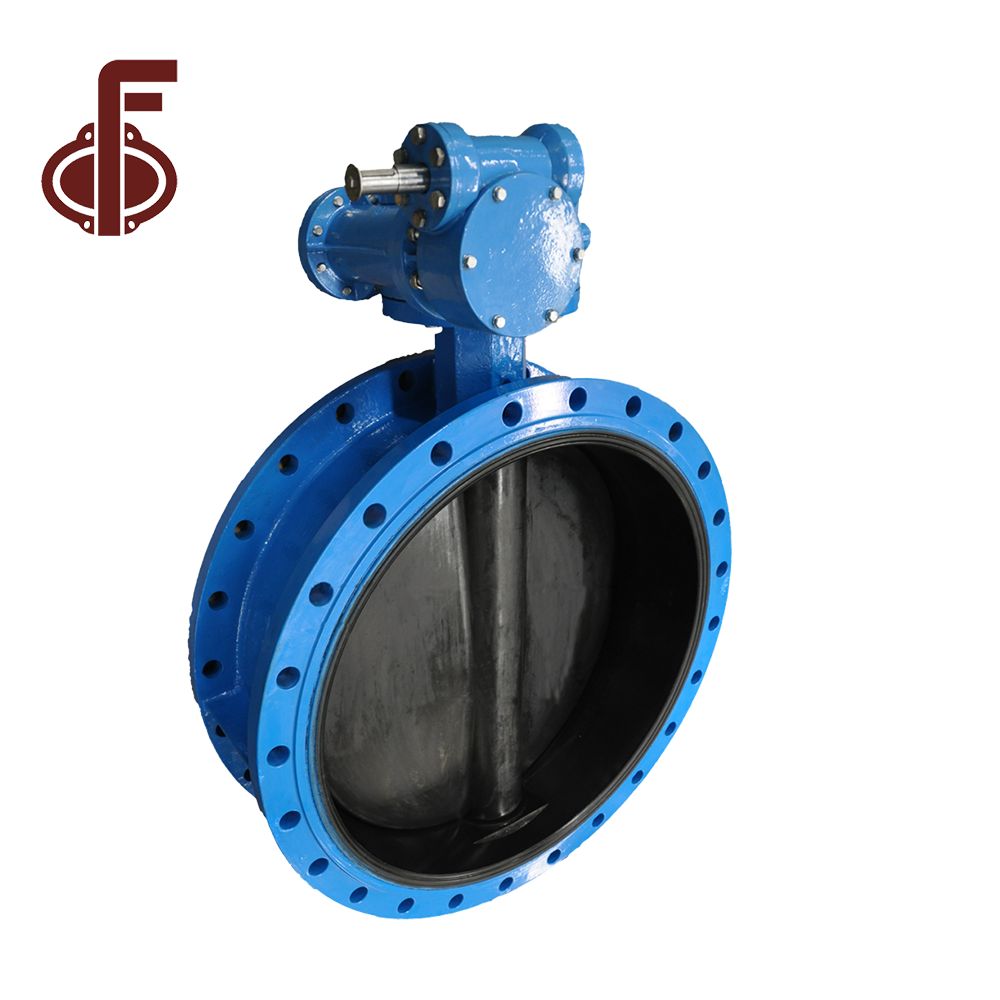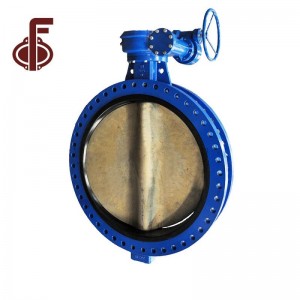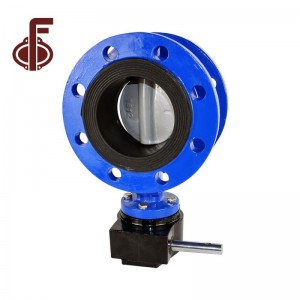


HandLever Operated PTFE Full Lined Butterfly Valve Wafer type


Product Detail
| Size & Pressure Rating & Standard | |
| Size | DN40-DN600 |
| Pressure Rating | PN10, PN16, CL150, JIS 5K, JIS 10K |
| Face to Face STD | API609, BS5155, DIN3202, ISO5752 |
| Connection STD | PN6, PN10, PN16, PN25, 150LB, JIS5K, 10K, 16K, GOST33259 |
| Upper Flange STD | ISO 5211 |
| Material | |
| Body | Cast Iron(GG25), Ductile Iron(GGG40/50), Carbon Steel(WCB A216), Stainless Steel(SS304/SS316/SS304L/SS316L) , Duplex Stainless Steel(2507/1.4529), Bronze, Aluminium Alloy. |
| Disc | DI+Ni, Carbon Steel(WCB A216) coated with PTFE |
| Stem/Shaft | SS416, SS431, SS304, SS316, Duplex Stainless Steel, Monel |
| Seat | PTFE/RPTFE |
| Bushing | PTFE, Bronze |
| O Ring | NBR, EPDM, FKM |
| Actuator | Hand Lever, Gear Box, Electric Actuator, Pneumatic Actuator |
Product Display


Product Advantage
The interior of the valve body is fully lined with PTFE (polytetrafluoroethylene), providing exceptional corrosion resistance against corrosive media such as acids, alkalis, and various chemical fluids.
The valve seat features a backing structure comprising PTFE-encapsulated silicone rubber; this design ingeniously combines the superior chemical resistance of PTFE with the elastic properties of silicone rubber, thereby ensuring reliable sealing performance even under demanding operating conditions.
Fluids do not easily adhere, making the piping system more efficient and reducing the frequency of maintenance.
Compared to EPDM, PTFE offers not only superior corrosion resistance but also higher temperature tolerance; however, it should be noted that the required operating torque for PTFE is higher than that for EPDM.
Hot Selling Products