
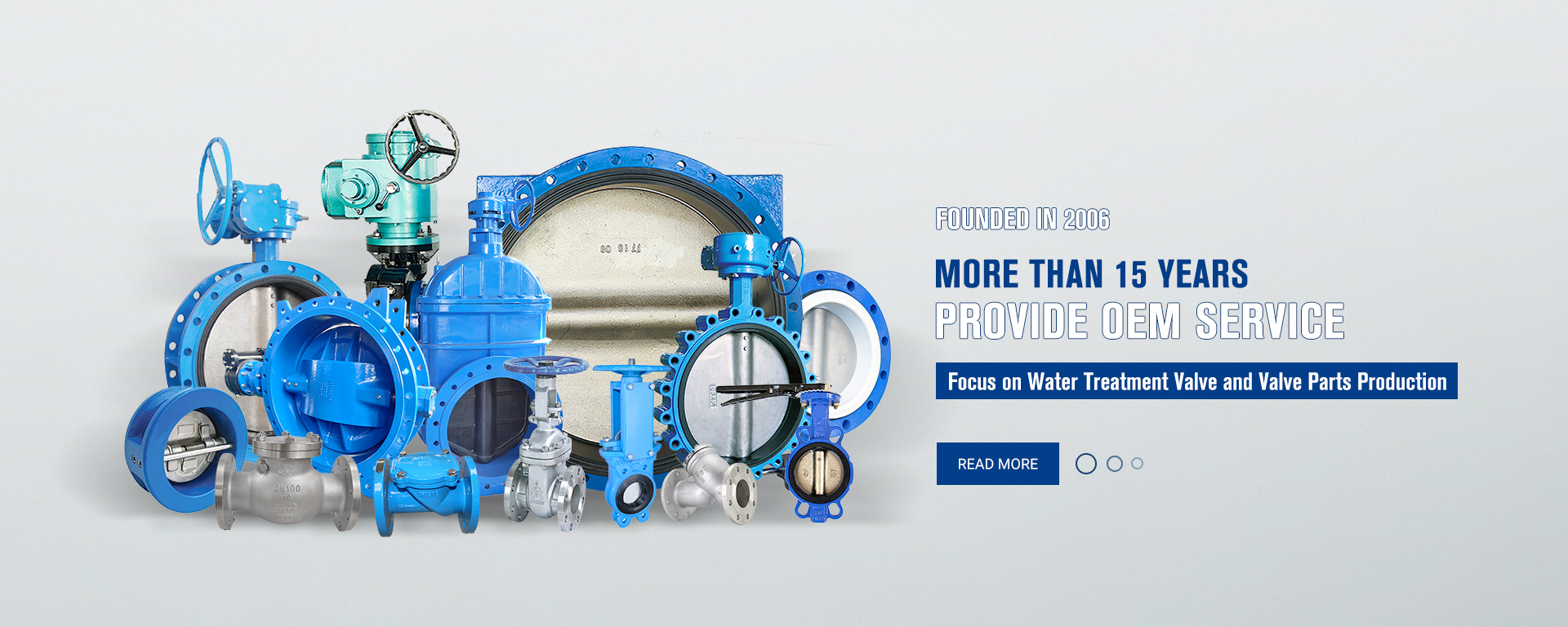
China PN10 PN16 ANSI 150 Butterfly Valve Manufacturer
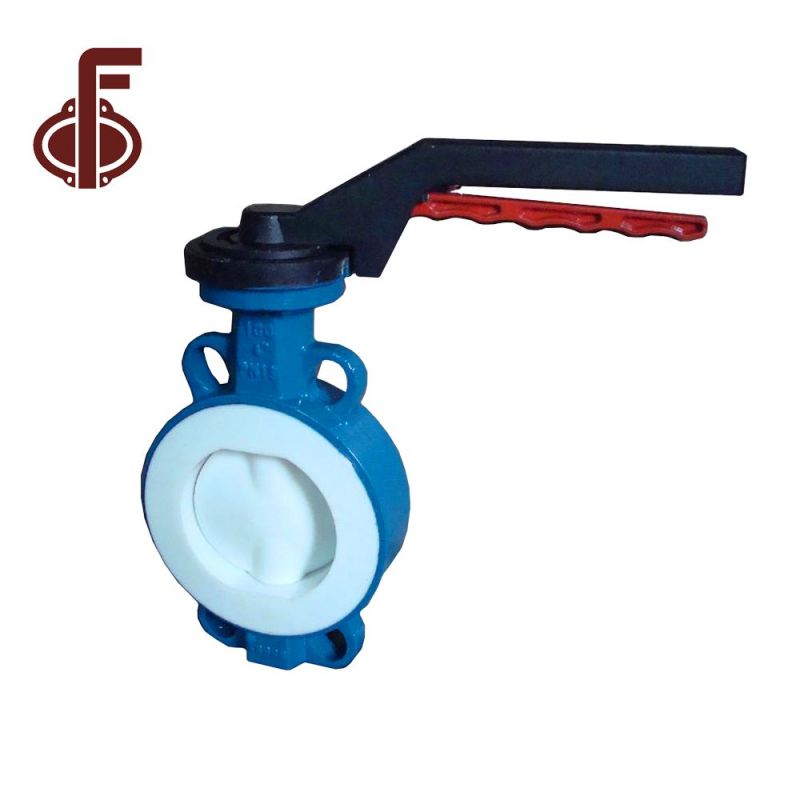
We are a China Manufacturer delivering the pn10 pn16 ansi150 butterfly valve that blends reliability with cost efficiency. The valve features a tough body in ductile iron or stainless steel, elastomer seats, and either wafer or lug configurations for easy flange mounting. With full bore options and tight shut-off, it handles varied media from water to chemicals while keeping torque low for easy actuation. I align design with standard piping specs and offer PN10/PN16 pressure ratings and ANSI 150 flanges for broad compatibility. In China, we uphold ISO 9001 quality and test each valve to ensure performance before shipment. I can supply competitive pricing, short lead times, and OEM customization to fit your project needs in municipal, chemical, or energy sectors. If you’re sourcing a robust, certified butterfly valve, I’m here to support your procurement and supply chain.


pn10 pn16 ansi150 butterfly valve Factory Where Innovation Meets 2025
As global procurement for 2025 accelerates, buyers demand butterfly valves that combine robust engineering with reliable supply. Valves rated PN10, PN16 and ANSI Class 150 flange connections are designed for dependable control across water treatment, chemical processing, and power applications. Configurations include wafer, lug, and double-flanged bodies to fit different pipeline layouts. Seat options such as EPDM, NBR, and PTFE provide versatile media resistance, while metal-to-metal seals offer extended life in high-cycle use. With corrosion-resistant bodies in ductile iron or stainless steel and discs optimized for low torque and tight shutoff, these valves help reduce energy use and maintenance costs. Manufactured under strict quality management and tested to international standards, these valves come with full traceability, pressure tests, and material certificates. Flexible lead times, scalable production, and a range of end connections enable rapid deployment for global projects. Whether standardizing a campus retrofit, desalination plant, or refinery line, they offer reliable performance, easy installation, and long-term support through spare parts and compatible actuators.
| DN (mm) | End Connection | Rating (PN/ANSI) | Body Material | Disc Material | Seat Material | Bore (mm) | Cv | Max Temp (°C) | Actuation | Weight (kg) | Certification |
|---|---|---|---|---|---|---|---|---|---|---|---|
| 50 | Flange RF | PN10 / ANSI 150 | WCB | SS304 | PTFE | 40 | 60 | 180 | Manual (Handwheel) | 9 | API 598, CE |
| 80 | Flange RF | PN10 / ANSI 150 | WCB | SS304 | PTFE | 65 | 110 | 180 | Pneumatic Actuator | 20 | API 598, CE |
| 100 | Flange RF | PN16 / ANSI 150 | WCB | SS316 | PTFE | 90 | 170 | 200 | Electric Actuator | 32 | API 598, CE, ATEX |
| 150 | Flange RF | PN16 / ANSI 150 | WCB | SS316 | PTFE | 120 | 320 | 200 | Electric Actuator | 56 | API 598, CE, ATEX |
| 200 | Flange RF | PN16 / ANSI 150 | CF8M | SS316 | Graphite | 160 | 520 | 250 | Pneumatic/Electric | 82 | API 598, CE, ATEX |
| 250 | Flange RF | PN10 / ANSI 150 | CF8M | SS316 | PTFE | 210 | 750 | 180 | Electric Actuator | 110 | API 598, CE |
Related Products


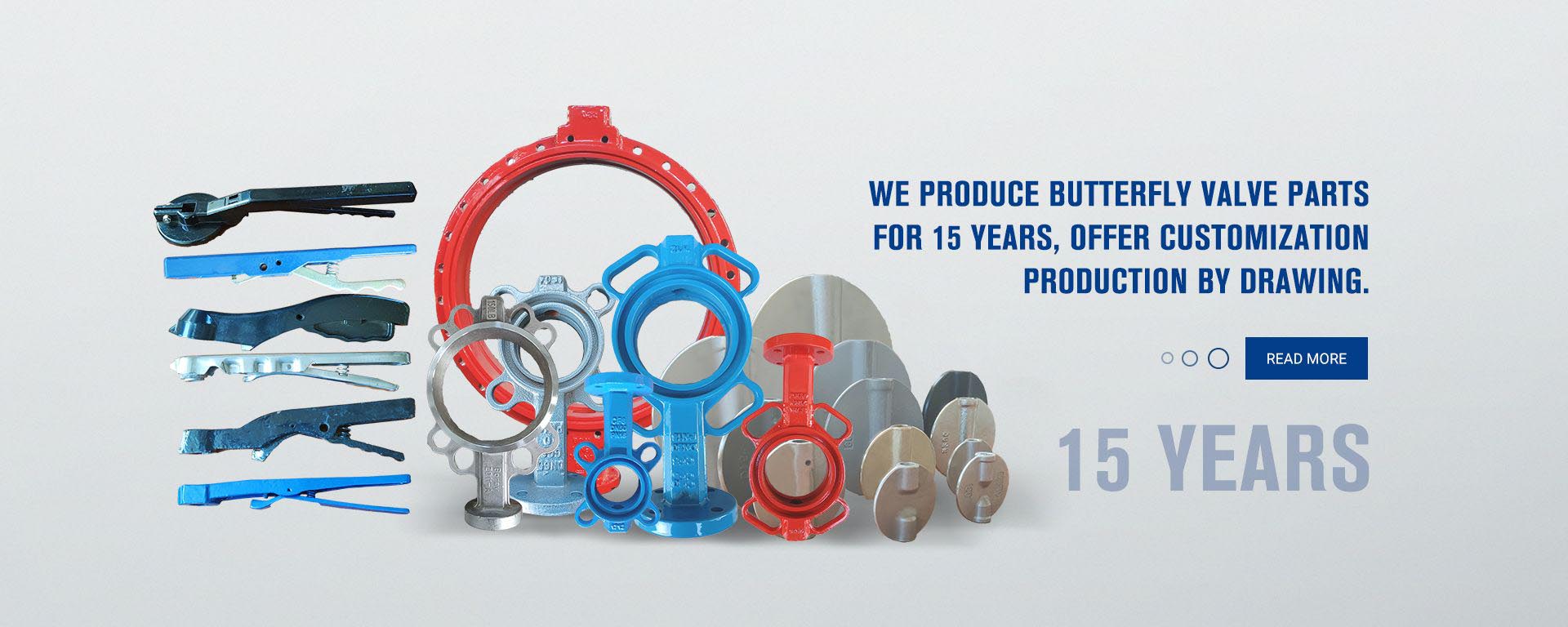
pn10 pn16 ansi150 butterfly valve Industry Giant Delivers Unmatched Quality
Top Selling Products



- Related Blog
- Related Videos
- Reviews
