
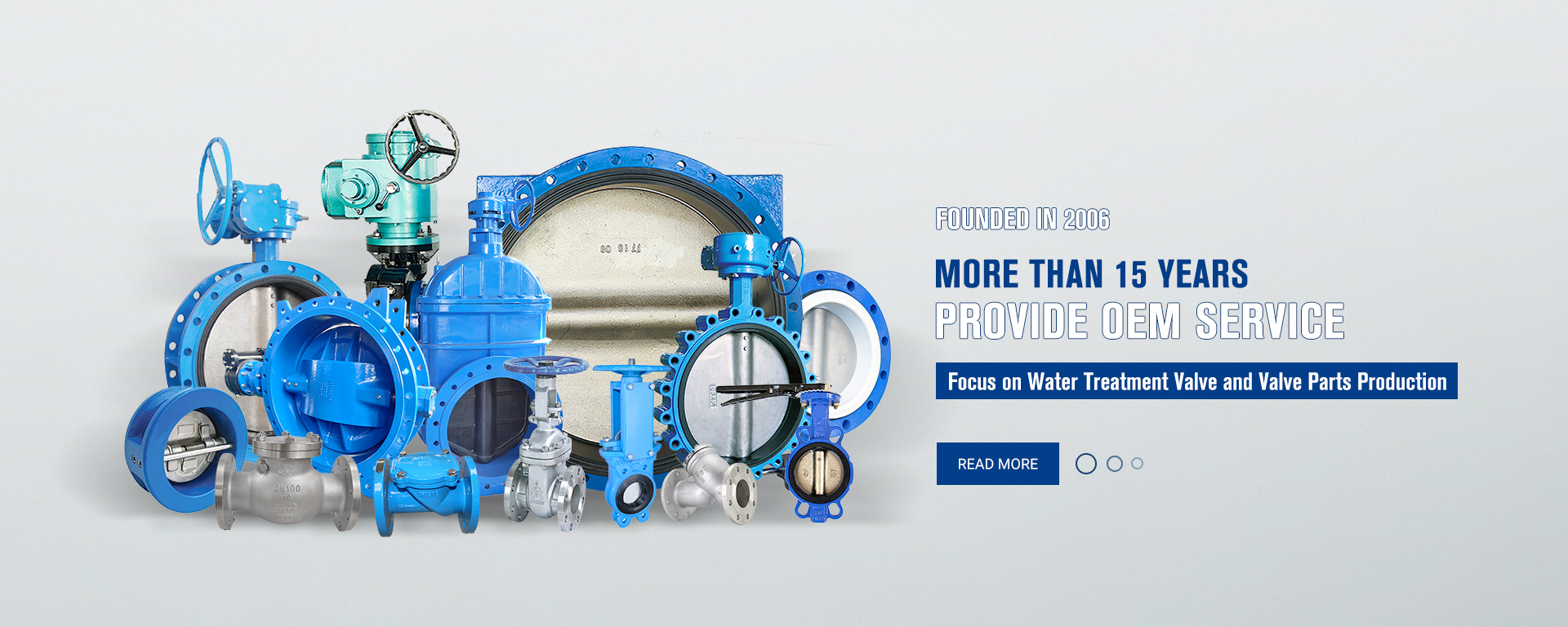
Industrial Resilient Seat Butterfly Valve - China Manufacturer
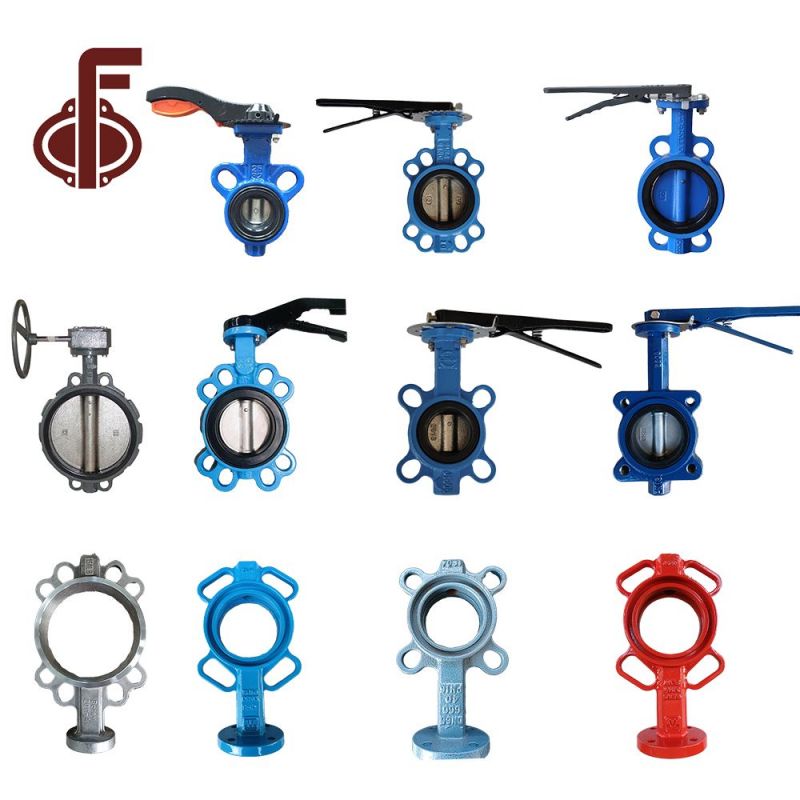
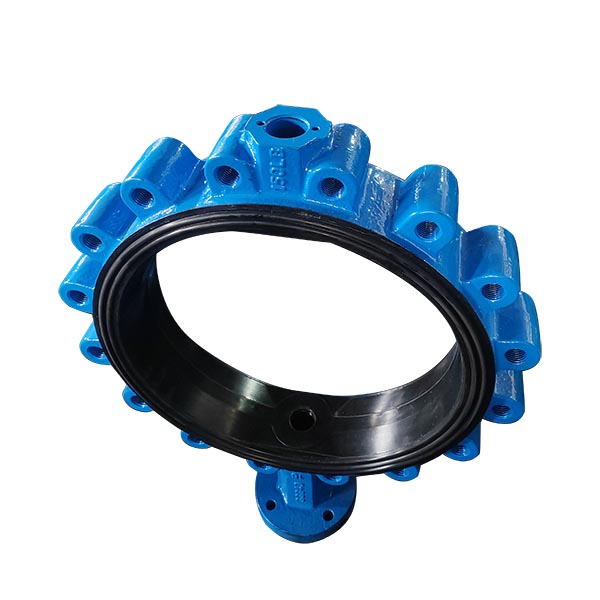
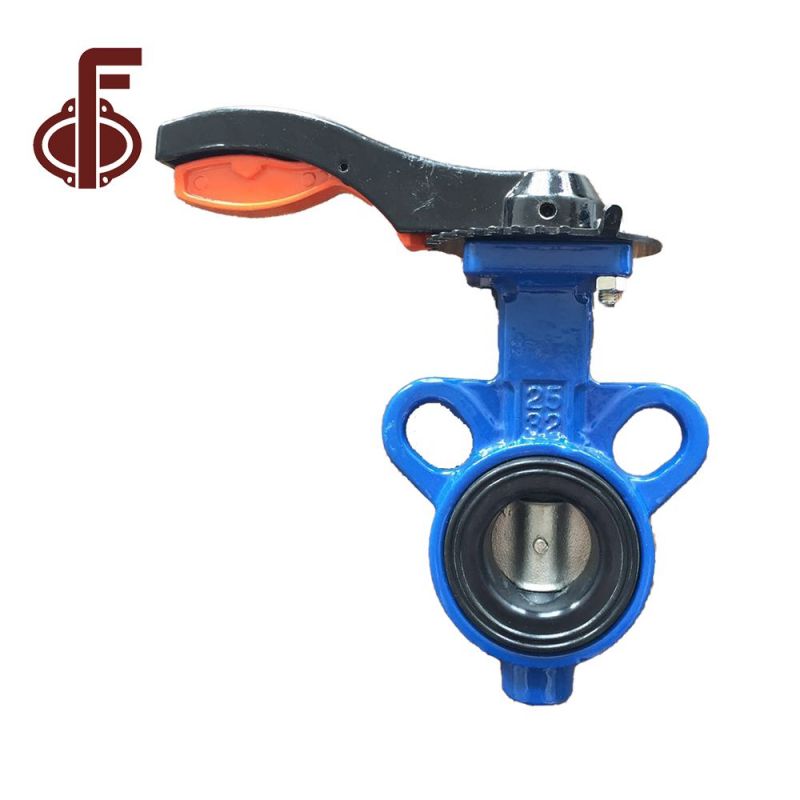
From a China Manufacturer, I bring you an industrial resilient seat butterfly valve built for demanding service. With a corrosion-resistant body, a robust resilient seat, and precision-machined stem, it delivers tight shut-off, low torque, and long service life across a wide range of temperatures and media. I designed it for easy maintenance in challenging industries: chemical processing, water treatment, power, and oil & gas. The resilient seat reduces wear and ensures dependable sealing even after repeated cycling, while the compact, forged body suits limited spaces without compromising strength. Interchangeable components and simple field service keep downtime to a minimum, and I provide certifications, OEM packaging, and technical support tailored for B2B buyers. For partners seeking reliable performance from a trusted supplier in China, I'm ready to discuss quantities, lead times, and customization. Your operation deserves a valve that protects uptime and efficiency.


industrial resilient seat butterfly valve Pioneers in the Field Sets the Industry Standard
Industrial resilient-seat butterfly valves have become essential for critical process lines demanding tight shut-off, durability, and clean flow. Pioneers in the field set the industry standard by advancing seat technology—robust elastomer seats, metal-to-metal options, and seals designed for aggressive media and wide temperature ranges. Through rigorous testing of endurance, leak-tightness, and cycle life, these leaders define benchmarks that the global market relies on. Standardized materials and modular designs ensure compatibility with major codes and easy integration in complex plants. For global buyers, value goes beyond price. Look for media compatibility, accurate pressure and temperature ratings, seat life, and readily available spare parts. A design that enables predictable seat replacement and robust actuation, combined with responsive after-sales support, minimizes downtime and total cost of ownership. In sectors such as energy, chemicals, and water treatment, proven performance under demanding conditions translates into safer operations and resilient supply chains.
{ industrial resilient seat butterfly valve Pioneers in the Field Sets the Industry Standard}
| Year | Model Code | Application | Size (in) | Pressure Rating (psi) | Body Material | Seat Material | End Connection | Operating Temperature (°C) | Leakage Class | Certification | Maintenance Interval (Months) |
|---|---|---|---|---|---|---|---|---|---|---|---|
| 2020 | IV-RES-050 | Water Treatment | 2 | 150 | Ductile Iron | PTFE | Wafer | -20 to 120 | VI | API 598 | 12 |
| 2021 | IV-RES-080 | Petrochemical | 3 | 300 | Stainless Steel 304 | Graphite | Lug | -20 to 180 | IV | ISO 9001 | 12 |
| 2022 | IV-RES-100 | Power Generation | 4 | 250 | Cast Steel (WCB) | PTFE | Flanged | -30 to 260 | V | API 598 | 18 |
| 2019 | IV-RES-150 | Oil & Gas | 6 | 150 | WCB | Graphite | Flanged | -20 to 260 | V | API 598 | 18 |
| 2023 | IV-RES-075 | Chemical Processing | 3 | 250 | Stainless Steel 316 | PTFE | Socket Weld | -20 to 210 | IV | ISO 9001 | 12 |
| 2024 | IV-RES-120 | Pulp & Paper | 5 | 180 | Ductile Iron | Reinforced PTFE (RPTFE) | Butt Weld | -30 to 120 | IV | CE | 24 |
| 2020 | IV-RES-090 | Water Supply | 4 | 200 | Stainless Steel | PTFE | Lug | -10 to 150 | V | ISO 9001 | 12 |
| 2025 | IV-RES-060 | HVAC | 2 | 150 | Ductile Iron | Graphite | Wafer | -20 to 120 | VI | CE | 6 |
| 2022 | IV-RES-200 | Marine | 8 | 180 | Stainless Steel 316 | PTFE | Butt Weld | -40 to 180 | V | API 598 | 24 |
Related Products


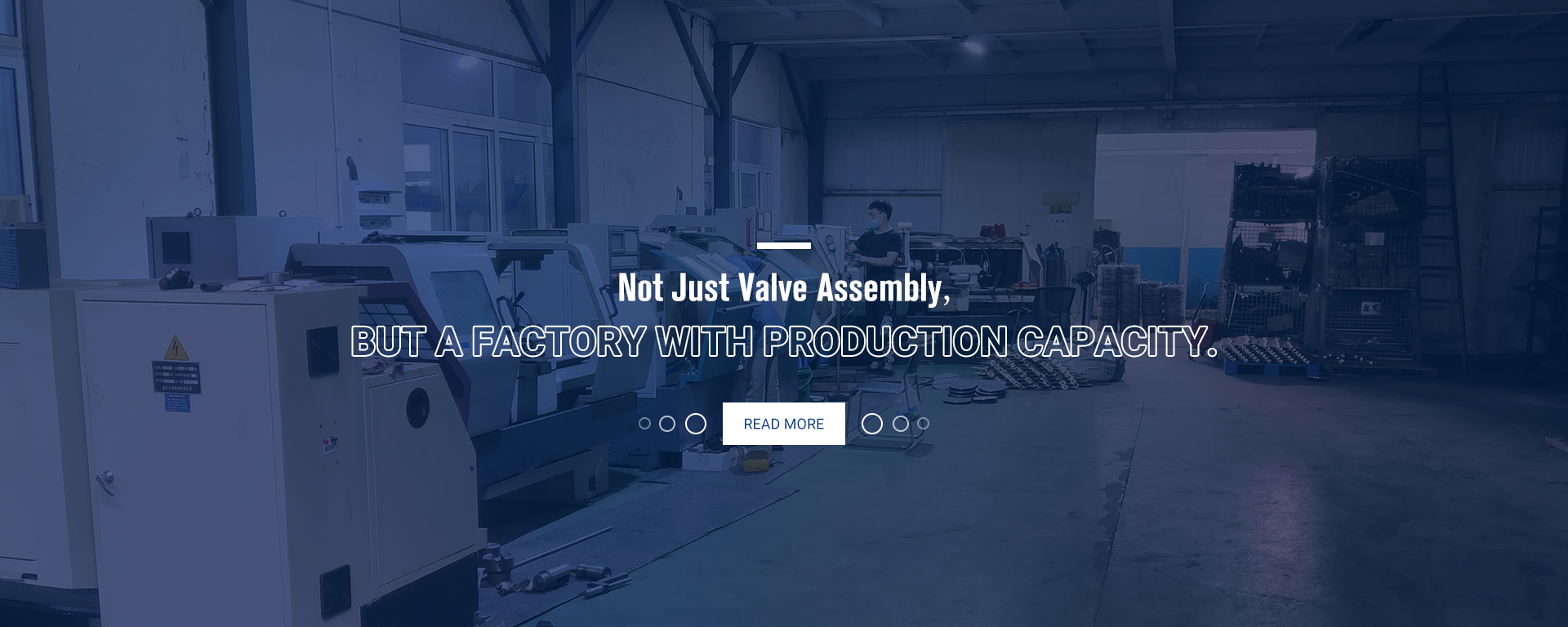
industrial resilient seat butterfly valve Where Innovation Meets 2025 More Than a Supplier - A Partner
Top Selling Products

- Related Blog
- Related Videos
- Reviews
